

The cost of living in Malta is about €1,300 to €2,200 per month for a single person, but a family of four will need more, €3,000 to €4,500 or more. Out of the whole monthly budget, rent is the biggest expense, with one-bedroom apartments costing €550 to €1,100, and three-bedroom homes costing €1,200 to €1,800 or more. Prices do go up in more popular areas like Valletta, Sliema, and St. Julian’s.
However, this guide will give you the full scope of the cost of living in Malta, from rental prices to groceries, utilities, healthcare, and transport, as well as some of the cheapest places to live in Malta.
Cost of living in Malta: Key Takeaways

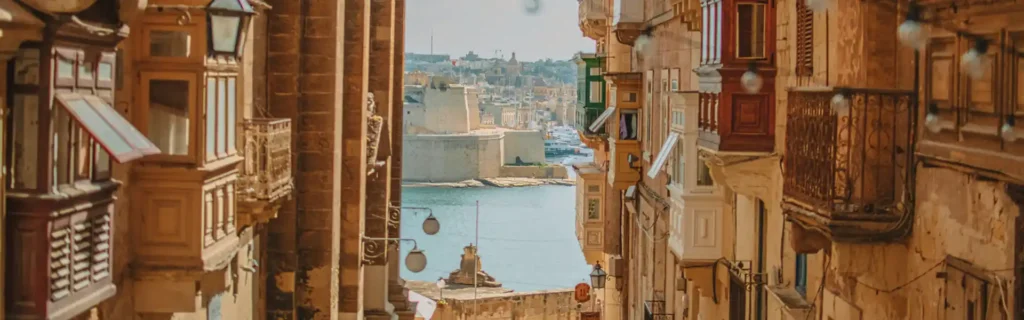
The cost of living in Malta ranges between €1,200 and €1,600 per month for one person, with rent being the biggest expense. Public transport is free, but groceries can be expensive because many items are imported, and electricity bills are also much higher in summer. Malta is loved for the good quality of life it maintains while still being more affordable than many large European cities. Compared to the U.S., Malta is about 17% to 35% cheaper, according to Numbeo, and it is ~16% cheaper than the UK when rent is not factored in. Housing in London alone is two times higher than in Malta’s capital, Valletta.
Malta’s rental market
The rental market in Malta is very different based on location, but the national average rent for a one-bedroom apartment is around €900 per month. In premium coastal areas such as Sliema, St. Julian’s, and Valletta, prices get a bit higher and range from €1,100 to €1,600 because of the growing demand from expats and proximity to the sea. On the other hand, more central areas like Gzira, Msida, and Birkirkara have better value, with rents between €750 and €1,100, while still having similar amenities to convenience like in the primary locations. But there are still more affordable areas like Gozo and the southern parts of the island, where rental costs go as low as €500 and €800 per month.
Property buying in Malta
The property market in Malta also shows its strength in different location but the median asking price for an apartment in 2026 at around €317,000, or roughly €3,270 per square meter. Entry-level one-bedroom apartments in secondary areas such as Zejtun or Gozo start between €180,000 and €230,000, and this is still one of the most accessible markets.
In contrast, prime locations, especially Special Designated Areas like Tigné Point, can reach up to €6,500 per square meter, while more affordable regions in Gozo can fall to around €2,100 per square meter. Market trends show a 6.9% year-on-year rise in apartment prices, while house prices in central areas have declined by nearly 11%. This shows that demand for smaller, high-end properties is growing.
Malta’s grocery prices are about 12% lower than the EU average, but there are some products like dairy, bread, and sugar that are higher because of the country’s reliance on imports. For a monthly budget, a single person who cooks at home can put aside €300 to €400 for groceries, while a family of 4 can spend double that, €800 to €1,000. To save money, residents shop at discount supermarkets like Lidl for lower prices on staple foods. Fresh produce is more affordable from local vendors or trucks, which can be 15–20% cheaper than larger stores such as Pavi Supermarket or Pama Shopping Village.
Based on Numbeo these are the prices for some of the stable grocery items
Eating out and beverages
- Inexpensive Restaurant Meal: €15.00
- Mid-range 3-Course Meal (for 2): €70.00
- Domestic Beer (0.5L draught): €3.50
- Cappuccino (regular): €2.40

Utility costs in Malta can vary throughout the year, but to paint a picture, the average monthly bill can be between €92 to €101. The expense can increase or drop depending on the season. For instance, the bill can go down to €60 in spring but can exceed €200 during the summer months because of the heavy air conditioning use. All electricity and water services are managed through ARMS Ltd., which acts as the central platform for submitting meter readings and ensuring you are on the lower residential tariff rather than the higher domestic rate. Waste collection is also simple, as it is free for residents and handled by WasteServ Malta Ltd.
Public Healthcare (Tax-Funded)
Public healthcare is free at the point of delivery for all Maltese citizens and residents who pay social security contributions, which normally 10% of a person’s gross salary.
- Mater Dei Hospital is the primary care facility in Msida and is equipped for all emergencies and even more complicated surgeries.
- Health centers are located across the island, such as Mosta, Floriana, and Paola, for free GP visits and nursing services for registered residents.
- EU citizens can use their EHIC (European Health Insurance Card) for temporary stays, but long-term residents will have to register for an S1 form or pay local social security to access the full system.
Private healthcare costs in Malta (out of pocket)
Public transport in Malta is entirely reliant on the bus network, ferries, and on-demand services.
Bus Fares (Malta & Gozo)
The cost of your bus journey depends on whether you are a resident with a travel card or a visitor using cash/contactless. Here are the transport costs for 2026 based on Malta Public Transport (MPT) data:
Visitor pass options
If you are visiting or haven’t received your personalized card yet, these are your pass options:
- 12 Single Journeys Card: €19.00. This is valid for 12 daytime trips, and it can be shared.
- Explore Card (7 Days): €25.00. This card gives you unlimited travel for one week, but it’s non-transferable.
- Explore Flex: This is a flexible, “pay-as-you-go” non-personalized card that can be topped up via the Tallinja app.
Alternative public transport
- Valletta Ferry (Sliema/3 Cities): €2.00 for a single trip for non-cardholders or free for holders of a Personalized Tallinja Card.
- Gozo Channel (Car Ferry): €4.65 for a standard passenger round-trip is €15.70 for a car and driver.
- Tallinja Bike: Electric bike sharing available in cities like Valletta and St. Julian’s, and cost around €3.00 per 30 minutes.
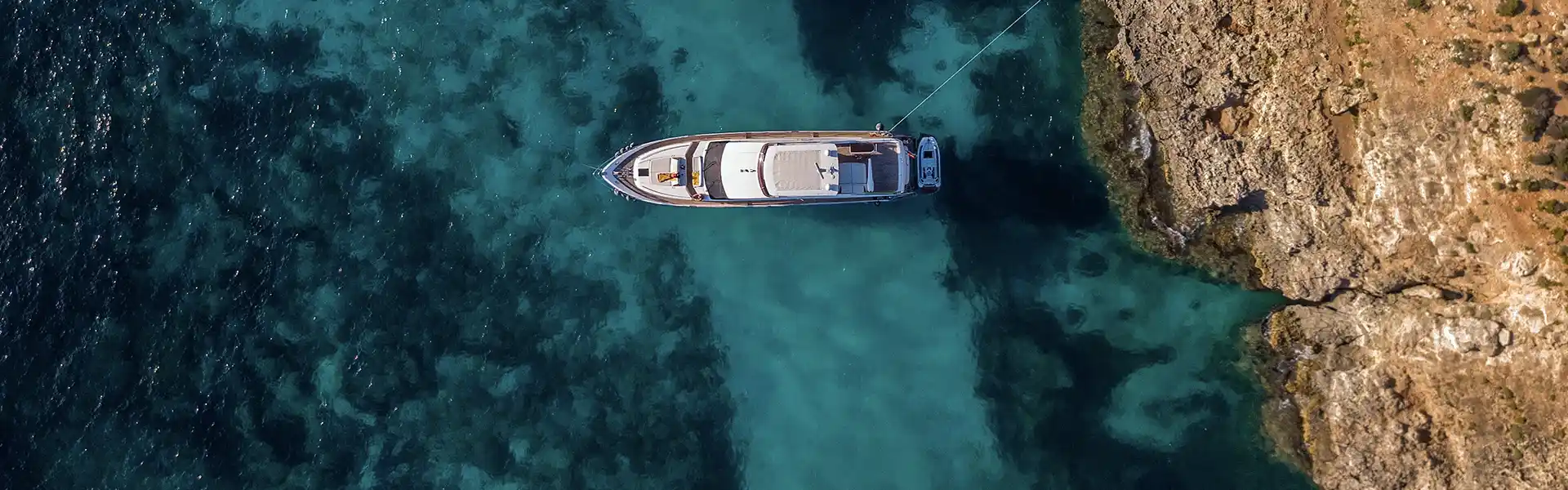
01/ Victoria (Rabat), Gozo
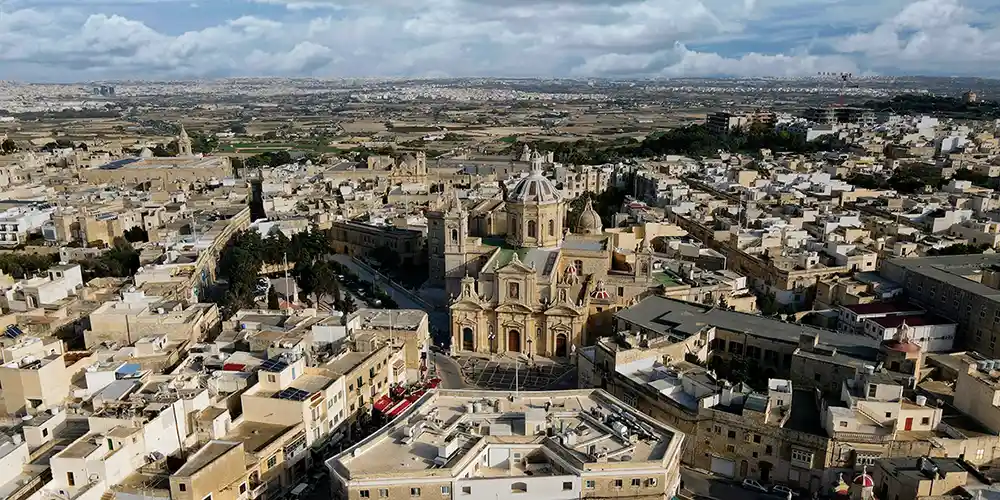
As the capital of Malta’s sister island, Victoria remains the single most affordable urban center. Rents here are roughly 30–50% lower than on the main island. One-bedroom apartments start at €500. This is the main cultural and administrative center in Gozo, so it is a good choice for remote workers who want access to different markets, historical sites, and more slower placed life that does not require you to cross the ferry for everyday needs. It can also be an attractive place for applicants under the Malta Global Residence Programme, because it meetis the housing requirements.
02/ Birkirkara
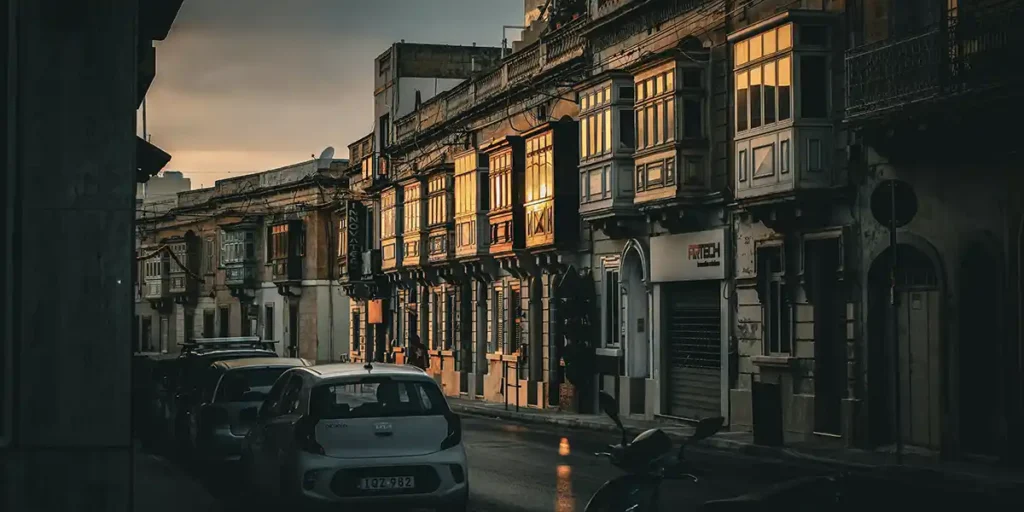
Birkirkara is one of Malta’s largest and most local towns, yet it is also considered one of the most valuable towns because of its discounted rental prices of about It is considered a €700 – €950 for a one-bedroom. The good thing is that people are still only a 15-minute commute from the business center, so it’s a good balance for those who want an authentic Maltese lifestyle with traditional bakeries and lower-priced local grocers, while not being far from the city center.
03/ Marsaskala
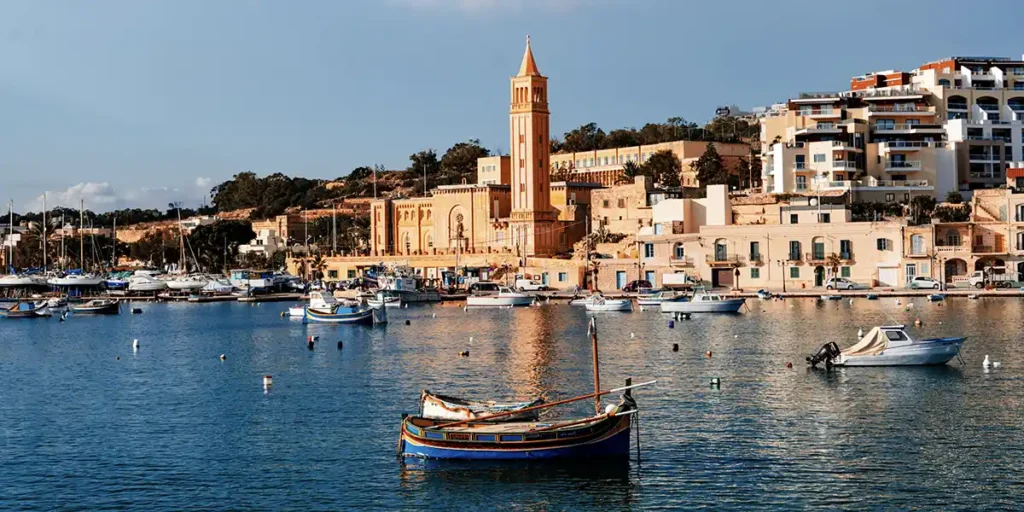
For those who want a seaside lifestyle without the high price tag, Marsaskala in the Southeast is a top contender. The city has modernized significantly over the years, but the rental market is still accessible, with a two-bedroom apartment going for around €850 – €1,000. Marsaskala is loved for its beautiful promenade and family-friendly atmosphere. It gives you the resort feel at a lower cost.
04/ St. Paul’s Bay (including Qawra and Buġibba)
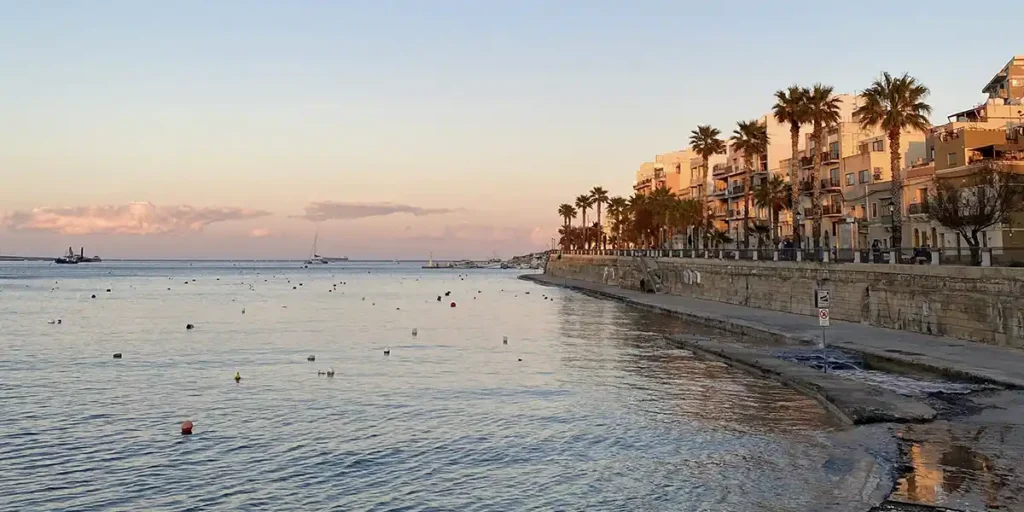
This northern coastal area is unique because a high supply of seasonal apartments keeps long-term rental prices competitive. It is one of the few seaside regions where you can still find one-bedroom units for under €750. It is mostly popular with expats because of its international community and closeness to the best of Malta’s sandy beaches, but it can get pretty busy during the peak summer season.
05/ Paola
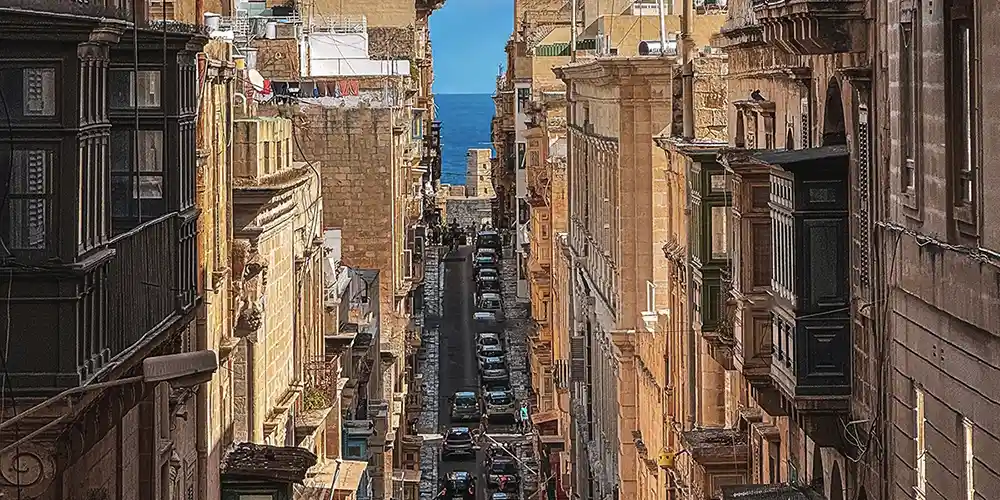
Paola is a thriving commercial center that serves as a budget-friendly alternative to Valletta. It is one of the most affordable areas for both renting and buying property in Malta. It isn’t the main tourist destination, so everyday costs like coffee are priced for locals, but a one-bedroom ranges from €750 – €1,200, and a two-bedroom can be bought for about €245,000. It can be a great option for those who want a long-term home through the Malta Permanent Residency by Investment program.
As part of our commitment to providing transparent and reliable services, we are proud to be a licensed agent in Malta, holding the official license number AKM-AGEN. This certification demonstrates our dedication to the highest standards in the investment migration industry and further enhances our ability to offer expert guidance and support to our clients.
How Can Global Citizen Solutions Help You?
Global Citizen Solutions is an advisory migration consultancy firm with years of experience delivering bespoke residence and citizenship by investment solutions for international families. With offices worldwide and an experienced, hands-on team, we have helped hundreds of clients worldwide acquire citizenship, residence visas, or homes while diversifying their portfolios with robust investments.
We guide you from start to finish, taking you beyond your citizenship or residency by investment application.