The Eastern Caribbean island of Dominica is a hidden gem. Once overshadowed by other Caribbean islands like Barbados and Jamaica, Dominica tourism has surged in recent years. The country’s rising popularity has been fueled by infrastructure development and improved connectivity to major hubs, as well as the growing movement toward eco-conscious traveling. Today, more people are discovering Dominica’s black sand beaches and volcanic hot springs. This guide highlights every aspect of tourism in Dominica and provides tips on how to make the most of a vacation on the island.
- One of the main reasons to visit Dominica is its commitment to sustainable tourism.
- Choosing the right season, activities, and accommodations is key to enjoying Dominica fully.
- The best places to stay in Dominica comprise eco-friendly resorts like Secret Bay.
- Dominica’s highlights center on rainforests, waterfalls, hot springs, and unspoiled natural beauty.
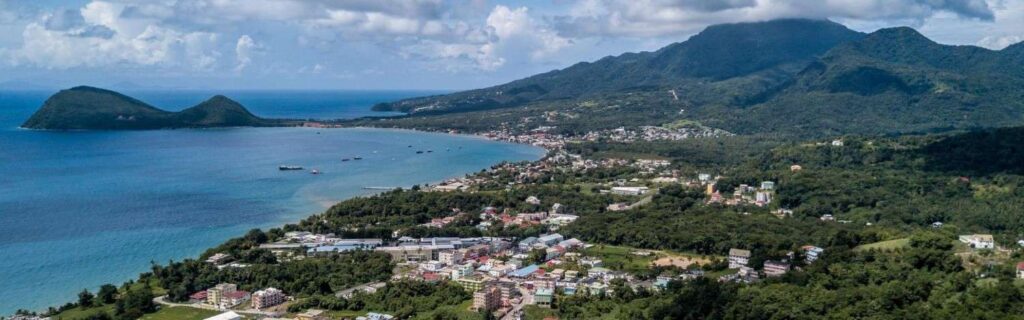
Dubbed the “Nature Island,” Dominica is praised for its unspoiled natural beauty and thriving ecosystems.
While large, all-inclusive resorts helped popularize Caribbean tourism, Dominica has embraced a different path through sustainable activities and lodging options rooted in natural surroundings.
Few places on Earth, let alone the Caribbean, boast natural wonders like the Boiling Lake, allowing travelers to enjoy once-in-a-lifetime experiences, while its mist-shrouded trails and well-preserved indigenous culture offer mystery and authenticity that’s hard to find elsewhere in the Caribbean.
Dominica tourism statistics are expected to increase after the completion of the new international airport at the end of 2025, which will open global links and streamline travel logistics for visitors.

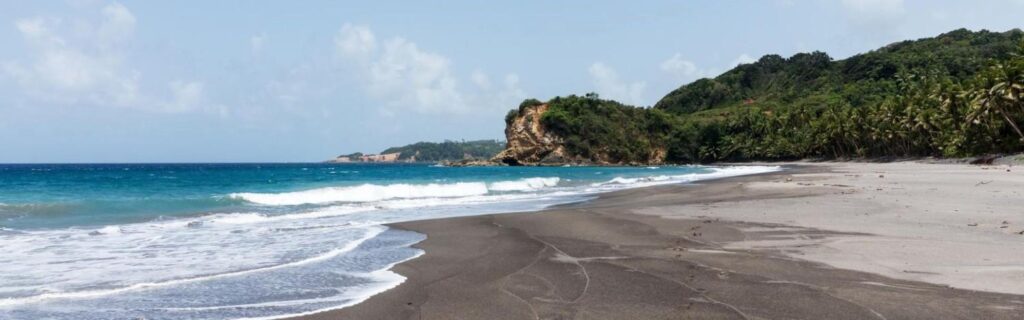
Visiting Dominica any time of year will offer a rich and fulfilling adventure, but preparing your travels thoroughly will help you cover all the essentials and avoid unexpected hiccups.
When to visit Dominica?
Weather
As a tropical Caribbean country, Dominica’s climate rarely drops below 70 degrees, making the island comfortable to visit in summer or winter.
The rainy season starts in June and ends in November; during this time, the island experiences heavier rainfall and potential hurricane activity.
Summer in Dominica is hot. Temperatures sit at around 80 to 90 degrees Fahrenheit, with plenty of sunshine, warm breezes, and occasional afternoon showers.
Crowds and events
Dominica’s peak tourist season runs from December to May, coinciding with the island’s dry season and Caribbean tourism rush. Most travelers from the United States, Canada, and Europe visit Dominica during this period to escape harsh winters, so you can anticipate encountering more visitors and crowds.
Jazz ‘N Creole Festival: The Dominica Jazz ‘N Creole Festival kicks off in April or May and celebrates the island’s Creole roots. Each year, locals and foreign visitors fill Fort Shirley in Cabrits National Park to see performances by renowned international artists and local acts like Marie Pascale and the Swingin’ Stars.
Mas Domnik: Mas Domnik, known as “The Real Mas, merges the island’s African and French traditions. If you;’re interested in adding it to a Dominica tourism itinerary, the festival begins on the Monday before Ash Wednesday and features an explosion of Dominica’s music, art, and dance culture.
Kalinago Week: Dominica values its indigenous heritage, which is honored during Kalinago Week in mid-September. Trade between the Kilanagos and the surrounding French territories of Guadeloupe and Martinique was established during that time, with roots going back to 1930. The Kalinago people showcase their heritage through traditional dance and drumming, prepare authentic local dishes, and perform sacred blessings to strengthen community bonds.
Getting there
Although Dominica has yet to offer the connectivity of more popular Caribbean islands, travelers can take direct flights there with American Airlines and United Airlines from Miami International Airport and Newark Liberty International Airport.
The island is well connected to other Caribbean countries, with InterCaribbean Airways, Caribbean Airlines, and Winair offering nonstop regional flights.
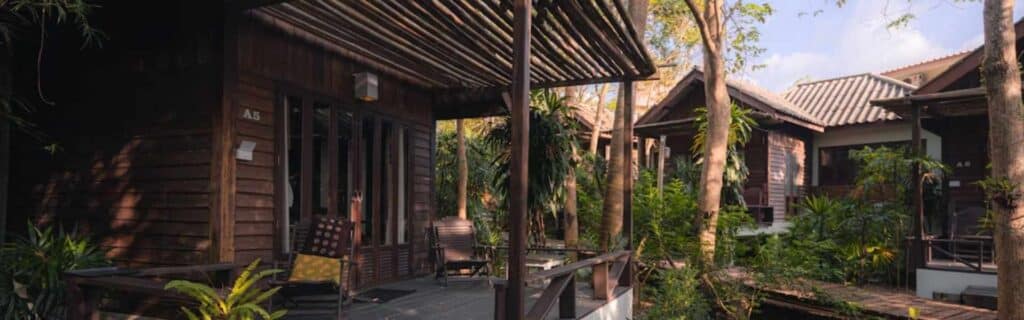
Secret Bay: Secret Bay in Portsmouth is an award-winning villa-style resort established through the Dominica Citizenship by Investment Program. As a six-star resort, guests enjoy private plunge pools, an on-call concierge, and private beaches within a rainforest escape.
Jungle Bay Resort: Jungle Bay is an eco-friendly luxury resort located in the popular town of Soufriere. Whether you’re planning a romantic getaway, a destination wedding, or a yoga and wellness retreat, it’s one of the few Dominica hotels that has it all.
Fort Young Hotel and Dive Resort: The Fort Young Hotel and Dive Resort allows guests to embrace the city, reef, and rainforest in one place. Located in Dominica’s capital, Roseau, the all-inclusive resort is characterized by boutique-style accommodations on the doorstep of waterfalls, snorkeling spots, hot springs, and rainforest hiking trails.
Getting around Dominica
The best way to move around Dominica is by rental car or private taxi. Renting a car is the most suitable choice if you plan to visit several places or spend two weeks or more on the island. Avis offers rental car services in Roseau. EZ Deal Car Rental, Fargo’s Car Rentals, and Yadah Car Rental offer car rentals outside Douglas Charles Airport.
Yadah Car Rental offers daily rentals from $65 per day and weekly rentals from $48 per day, excluding taxes and insurance. Daily taxi rates vary depending on the agency. A transfer from Douglas Charles Airport to Roseau with a local tour company like Younis Tours and Airport Services costs $80 one way.
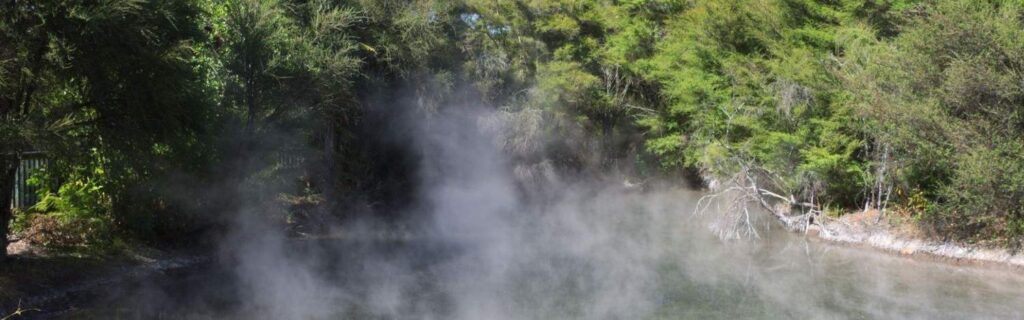
Hike to the Boiling Lake
The Boiling Lake in Dominica is the world’s second-largest thermal lake and ranks at the top of most visitors’ list of things to do in Dominica. Once a fumarole in the Valley of Desolation, the lake is heated by volcanic activity.
Scuba dive in Scotts Head Marine Reserve
Scotts Head Marine Reserve in Soufriere is a well-preserved coral reef and one of the top Dominica tourist attractions. Its deep, protected waters make it a world-class location for scuba diving.
Explore Roseau Old Market
Dominica’s capital city is dynamic and has a lot to offer. One of its best features is Roseau Old Market. Tourists are presented with colorful market stalls selling fresh fruits, spices, and handcrafted goods. The food market is ideal for trying freshly caught seafood and local dishes like Mountain Chicken and Callaloo Soup.
Walk the Waitukubuli National Trail
As the Caribbean’s only long-distance hiking trail, the 114-mile Waitukubuli National Trail is a highlight of eco-tourism in Dominica, designed for adventurers looking to push their limits. Along the trail’s route, you can see indigenous wildlife like the Sisserou parrot—Dominica’s national bird—agile lizards, and small mammals like the agouti.
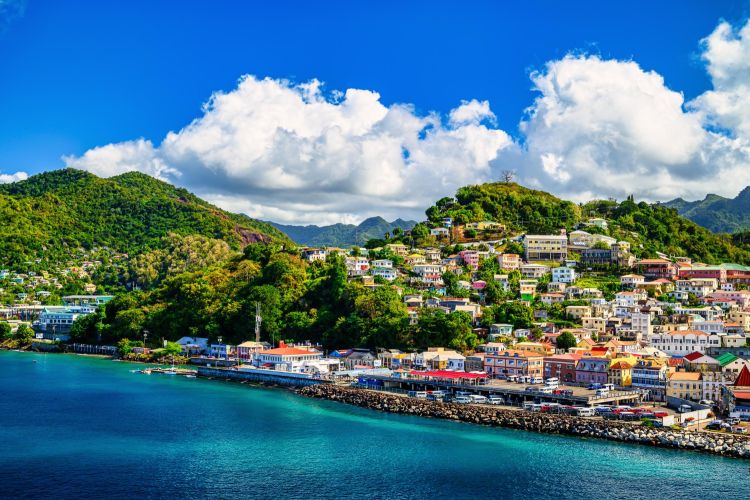

Visiting Dominica offers a completely different kind of Caribbean experience than the usual resort-laden Caribbean islands that people tend to think of. Dubbed the “Nature Island,” locals here mean it when they say that it is all about rugged nature, from volcanic eruptions to rainforest-smothered mountains, and deserted, untouched coastlines. You can expect a slow pace of life, plenty of warm smiles from the locals, and a genuine focus on taking care of the island rather than building fancy beach hotels that disrupt its ecosystem.
Hiking is a major draw of visiting Dominica, whether you take a leisurely walk or are up for a challenging trek to the Boiling Lake. Forget the long stretches of white sand and think dramatic black-sand beaches, natural hot springs, and rushing rivers, perfect for cooling off in or canyoning. Additionally, it is one of the few Caribbean islands with a visible indigenous presence that remains evident in daily life, from traditional crafts and practices to the cultural heritage preserved within the Kalinago Territory.

Visa requirements
Dominica visa requirements for Canadians, Americans, British, and EU citizens allow visits without a regular visa. Travelers must present a valid passport and may be asked to provide proof of accommodation and an ongoing ticket. Citizens of Eastern Caribbean countries, including those with Caribbean citizenship by investment, can travel to Dominica with their national ID card. Dominica passport holders do not have visa requirements when re-entering the country.
Safety
Regarding safety in Dominica, the island has one of the lowest crime rates in the Caribbean, with a US Department of State travel advisory, “Level 1: Exercise Normal Precautions.” Visitors should be vigilant of petty theft and other opportunistic crimes by remaining aware of their surroundings, leaving valuables in a hotel safe, and avoiding unfamiliar locations.
Culture and customs
Dominican culture is rooted in African, French, British, and Indigenous heritage. Most Dominicans are descendants of enslaved Africans, and the island has a large population of Indigenous descent. This is reflected in the island’s religious practices, music, and cuisine.
The Kalinago Territory in Dominica is one of the last remaining official Indigenous territories in the Caribbean and the only one still present in the Eastern Caribbean.
Unlike crowded tourist hotspots, the Kalinago community values privacy, tradition, and preserving its way of life. When visiting the Kalinago Territory, it is important to show respect for the community’s traditions. Dress modestly and ask permission before taking photos, especially of people or sacred sites.
Callaloo, a hearty soup with dasheen leaves, coconut milk, and spices, is Dominica’s national dish and a must-try for visitors. Many tourists and foreign residents who have retired in Dominica report that while not compulsory, restaurants often add a ten percent service tax to bills.
Money saving tips
- Travel outside the busy peak season: The best time of year to visit Dominica is outside peak season, when hotels and short-term rentals charge lower rates, while flight prices tend to be cheaper.
- Rent a car: For those who plan to travel frequently across Dominica or stay on the island long-term, a rental car is a more budget-friendly option.
- Eat local: Local eateries in Dominica are known as snackettes. They are small, family-run restaurants with authentic cuisine that offer cheap alternatives to expensive hotel restaurants.
- Buy a local SIM card: Telecom companies like Verizon, Telus, and T-Mobile offer reasonable internal data packages. However, roaming charges in the Caribbean are often high. Local providers like Flow and Digicel offer prepaid SIM cards with seven-day data bundles for $15.
Why use Global Citizen Solutions?
Global Citizen Solutions is a multidisciplinary firm offering bespoke residence and citizenship solutions in Europe and the Caribbean. In a world where the economy and politics are unpredictable, having a second citizenship opens up opportunities and creates flexibility for you and your family.
So, why work with Global Citizen Solutions to obtain Caribbean citizenship?
- Global approach by local experts: We are corporate members of the Investment Migration Council, with local expertise in all five Caribbean CBI programs.
- 100 percent approval rate: We have never had a case rejected and will offer you an initial, free-of-charge, due diligence assessment before signing any contract.
- Independent service and full transparency: We will present to you all the investment options available, and all expenses will be discussed in advance, with no hidden fees.
- An all-encompassing solution: A multidisciplinary team of immigration lawyers, investment specialists, and tax experts will take into consideration all your and your family's mobility, tax, and lifestyle needs.
- Confidential service and secure data management: All private data is stored within a GDPR-compliant database on a secure SSL-encrypted server.