Visiting Nauru is an experience unlike any other. Being the world’s third smallest country by land and second smallest by population adds up to a short list of best things to do in Nauru. The entire country gives off a tight-knit community atmosphere rather than a vibrant international tourist destination. This guide highlights the top activities in Nauru and provides tips on how to make the most of each experience.
- Activities in Nauru focus on coastal exploration, local culture, and the island’s phosphate mining history.
- Authentic cultural exposure comes from engaging with locals and traditional Melanesian practices.
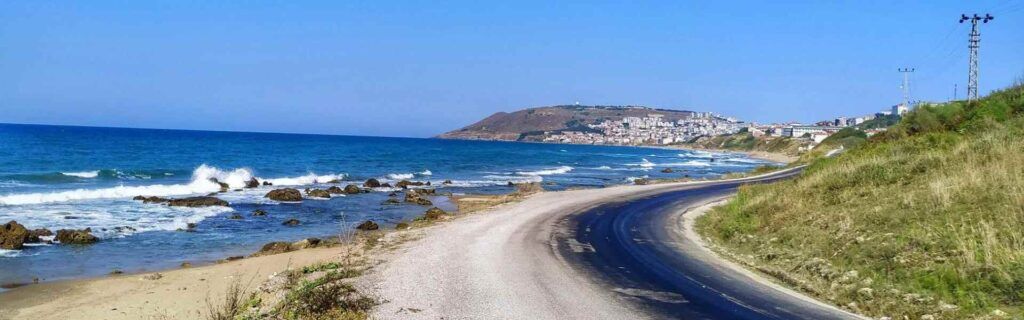
One of the coolest travel bragging rights is to say you’ve driven around an entire country, and in Nauru, you can do this in about 30 minutes. Though the 21km coastal road doesn’t offer the most picturesque views among Nauru attractions, it’s lined with palm trees and local life, giving you a feel for the island in a short space of time.

Nauru’s highest point, Command Ridge, is a 65-meter-high plateau with 360-degree views of the island nation. Atop the ridge, you’ll find remnants of World War II, which include abandoned Japanese bunkers and rusty artillery.
Moqua is an underground surprise on the south coast of the island by Nauru International Airport. The limestone caves contain freshwater pools and eerie formations, making it a cool escape from the hot tropical climate.
Stop by the Civic Centre commercial complex in the Aiwo District, home to some of the few supermarkets, small shops, and local vendors on the island. Whether you need to stock up on grocies, replace and travel items, or get a taste of everyday island life in Nauru, the complex offers a convenient place to shop and explore, as well as resolve any Nauru immigration queries.
The remnants of Nauru’s phosphate mining industry in the Aiwo District provide a glimpse into the island’s history when it was among the world’s richest nations. The large, abandoned phosphate factory built by the Nauru Phosphate Corporation has loading stations, limestone pinnacles, and an old railway.
Arguably one of Nauru’s most beautiful and pristine beaches, Anibar on the east coast is home to Anibar Beach. The beach offers white sand and dramatic volcanic rock formations off the shore.
The remnants ofAustralia and Nauru share a broad connection. Australia is heavily embedded in the island’s economy, and an Australian bank is the only bank in Nauru. The relationship extends to sport, with Nauruans sharing an intense love for Aussie Rules football, and popular Nauru activities revolve around it. If you’re lucky, you might catch a game or local practice while exploring Nauru.Nauru’s phosphate mining industry in the Aiwo District provide a glimpse into the island’s history when it was among the world’s richest nations. The large, abandoned phosphate factory built by the Nauru Phosphate Corporation has loading stations, limestone pinnacles, and an old railway.


Unlike many atolls, Nauru’s coastline doesn’t have a barrier reef, leaving its shores exposed to powerful swells, waves, and strong undercurrents. Anibare Harbour in Anibare Bay is protected by a manmade stone barrier and with the sharp corals removed. As you stroll by the harbor, you can see kids swimming and watch local fishermen bring in their daily catch.
The absence of a barrier reef means there’s a steep coastal drop-off not far off Nauru’s coastline. This means that while Nauru tourism lacks coral reef snorkeling and scuba diving, it offers some of the best deep-sea fishing in the Pacific Ocean. You can easily hire a local tour company to take you on a deep-sea fishing adventure and catch barracuda, marlin, and yellowfin tuna.
A journey inland will take you to Buada Lagoon in Buada National Park, one of the most talked-about places to visit in Nauru. Though the lagoon’s water isn’t fit for swimming, the unique lagoon formed of freshwater in a volcanic crater makes it one of Nauru’s most popular natural wonders.
As one of the smallest and least visited countries in the world, Nauru has a modest and distinctive political structure. The island’s politicians are accessible to people living in Nauru, and entry to the main parliament building in Yaren is often open to the public. This includes the Nauru immigration services, as well as the government offices overseeing the Nauru Citizenship by Investment Program.
Sometimes referred to locally as Makwa, Moqua Well was the main source of drinking water for local inhabitants during World War II, hence the ‘Well’ in the title. It’s located in the Moqua cave system in the Yaren district, where visitors can explore one of the remnants of Nauru’s wartime survival infrastructure.
Checking out Nauru’s local food scene is one of the most genuine ways to experience Nauruan culture. The country’s Micronesian cuisine generally comprises flavors from other Pacific islands, with Chinese and Australian influences. Coconut-based dishes, such as coconut-crusted fish, are common throughout the island, with other options including fish soup. Thanks to longstanding ties with China, you find dishes like chop suey on menus in many local eateries and restaurants inside hotels in Nauru.
