

According to the US Department of State, Antigua is classified as a Level 1: Exercise Normal Precautions. This indicates that Antigua is deemed a safe Caribbean island.
While many may still question the level of safety in Antigua, the country has a Numbeo Safety Index score of 47.01 in 2026, putting it well ahead of popular vacation destinations such as the Dominican Republic, Puerto Rico, and Jamaica.
This guide provides everything you need to know about safety and crime in Antigua, taking a closer look at which activities are and are not accepted, the July to November hurricane season, and considerations for anyone planning to visit the island or relocate there.
Key Facts


Antigua is a safe Caribbean island, ranking well for both low crime and high safety. With a Numbeo Crime Index score of 52.99 and a Safety Index score of 47.01, the country ranks above the United States in both metrics, which scores 49.19 for crime and 50.81 for safety.
The US Department of State rated Antigua as a “Level 1: Exercise Normal Precautions,” while the UK FCDO travel advice highlighted that there has been no recent history of terrorism in Antigua and Barbuda, but attacks cannot be ruled out.
Whether women traveling alone, same-sex couples, or families with young children, visitors can expect a safe environment through progressive local laws, including the decriminalization of consensual same-sex activity in July 2022.
Geographically located in the Eastern Caribbean, Antigua is vulnerable to hurricanes during the rainy season, which runs from June to November. Visitors can use the National Hurricane Center and the National Office of Disaster Services (NODS) to stay updated on weather conditions and to prepare for emergencies.
The crime and safety indexes developed by Numbeo evaluate crime rates and safety, where a high crime index indicates significant crime levels, and a high safety index reflects strong safety conditions.
Facts about crime in Antigua
- Recorded crimes: Recorded crimes decreased by 14.6% from 2,533 in 2024 to 2,163 for the same period in 2025.
- Crimes against tourists: The main offenses are break-ins, burglary, larceny, and robbery, and they decreased from 44 in 2024 to 23 between January and August 2025.
- Number of serious crimes: Comparing 2025 to 2024, sexual offenses decreased from 16 to 8, and while aggravated robberies increased from 27 to 40, general robberies decreased from 103 to 72.
Based on statistics released by the Royal Police Force of Antigua and Barbuda.
Antigua and Barbuda is thought of as a safe option for solo female travelers, families, and LGBTQ+ people alike, with tourism accounting for 50% of its GDP and great emphasis placed on visitor safety.
Women traveling alone usually experience the country as safe and relatively easy to navigate, especially in popular parts of the country. This is reflected in the Antigua Government’s Ministry of Tourism reporting 180,928 stopover visitors in the first half of 2025, compared with 23 crimes against tourists in the same period. Still, women are encouraged to take standard precautions, such as avoiding walking at night and not using unregulated transport.
Family resorts, sheltered beaches, and friendly locals draw many families to visit Antigua. Overall, LGBTQ+ travelers can visit safely, especially with progressive laws, including the decriminalization of same-sex relations in July 2022.
However, the UK FCDO travel advice underscored that Antigua and Barbuda no longer has legislation against same-sex sexual acts, but showing public displays of affection may attract unwanted and negative reactions. This mirrors cultural norms, as it is uncommon for both opposite-sex and same-sex couples to show affection in public.

The travel advisor released by the US Department of State classifies Antigua and Barbuda as a safe destination for American travelers.
With a travel advisory: Level 1: Exercise Normal Precautions, as of May 2026, the country is considered safe, and visitors are advised to exercise normal security precautions, such as being aware of their surroundings, using secure and reliable transportation, and avoiding risky areas associated with crime and drug activity.
This fact leads many Americans to consider relocating or obtaining citizenship in Antigua versus St Lucia, as safety is a key consideration, and Antigua leads St Lucia in critical areas of safety, including a Level 1 travel advisory versus Level 2 for St Lucia, and a higher safety score and lower crime score in the Numbeo Crime Index.
Driving in Antigua
Visitors planning to rent a vehicle to discover the best things to do in Antigua and Barbuda should know that driving in Antigua and Barbuda is on the left side of the road. American drivers should acquaint themselves with local driving customs and traffic regulations to avoid accidents and interactions with traffic police.
US driver’s license holders must apply for an International Driving Permit (IDP) to drive in Antigua and Barbuda, allowing them to operate a vehicle legally during their stay. Drivers should be aware of driving risks on a small Caribbean island, such as encountering local wildlife, navigating narrow or poorly maintained roads, and dealing with limited lighting at night.
The CDC and WHO recommend the following vaccinations for visiting Antigua and Barbuda:
- Hepatitis A
- Hepatitis B
- Typhoid
- Rabies
- Meningitis
- Polio
- Measles
- Mumps
- Rubella (MMR)
- Tdap (tetanus, diphtheria and pertussis)
- Chickenpox
- Shingles
Although the yellow fever vaccine is not mandatory for entry, Antigua and Barbuda visa requirements for travelers coming from a country with a yellow fever risk within the past six weeks include a yellow fever vaccination certificate issued at least ten days before arrival.
Health precautions
Health precautions The Antigua healthcare system provides quality services, but like most small island nations, services are limited. Visitors should bring sufficient prescription medications, if necessary, and take out travel insurance with cover for medical evacuation. Applying strong mosquito repellent will also reduce the risk of contracting mosquito-borne diseases.
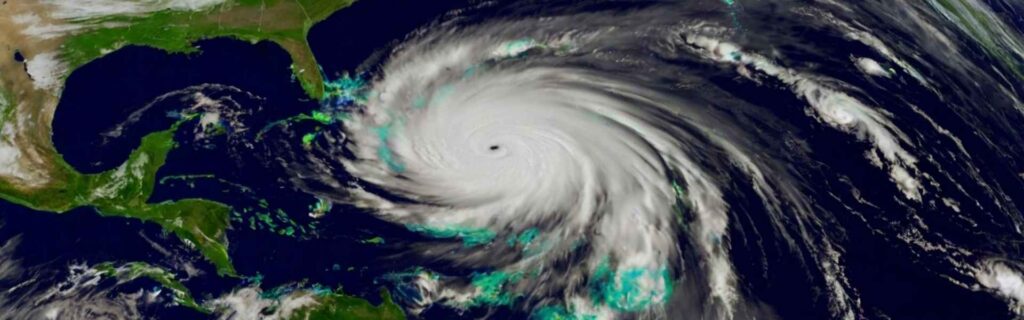
Living in Antigua is appealing for its tropical weather, with a warm climate that sits between 75°F and 88°F year-round. May to November is the wet season, and July to November is when the Caribbean experiences hurricanes. August to mid-October is generally the peak of hurricane season.
The Department of the Environment (DoE) within Antigua and Barbuda’s Ministry of Health, Wellness, and the Environment, and the UN Environment Programme (UNEP), released a report that stated that 2017’s Hurricane Irma caused $128 million in damage across both islands.
The dry season doesn’t experience severe weather events, but it can increase the risk of wildfires. While the threat of wildfires is low, prolonged droughts can still create conditions that could spark fires.
The Antigua and Barbuda National Development Fund supports disaster preparedness, and the country’s National Office of Disaster Services (NODS) provides hazard awareness information guidance to help visitors and communities prepare for, respond to, and recover from natural disasters.
It is generally safe for walking around at night outside hotels in Antigua, but as with any place, it’s always good to stay alert and cautious, especially at night or when attending local events.
Tourists should stick to well-lit, populated areas to avoid contact with potentially nefarious individuals or crimes against tourists. Night safety in the best towns in Antigua, such as St John’s, Falmouth Harbour, Dickenson Bay, and Jolly Harbour, is generally high, with a strong presence of law enforcement throughout the day and night.
Places to avoid in Antigua
Most of Antigua is safe, but some areas are hotbeds for petty crime. Parts of St John’s can encounter petty crime or aggressive panhandling, especially around the West Bus Station on Market Street and certain backstreets. It’s also wise to avoid deserted beaches or remote areas late at night if you’re not with locals familiar with the surroundings, as seclusion can make them easier targets for thieves. Tourists should be alert to danger in spots like Redcliffe Quay or Heritage Quay.

Crime: Violent crime is rare, but petty theft and opportunistic crime can occur. You can do the following to protect yourself:
- Keep valuables locked in a hotel safe.
- Avoid carrying large amounts of cash or other valuables outside hotel accommodations.
- Being aware of your surroundings at all times.
- Avoid isolated areas and districts outside tourist zones, especially after dark.
Water activities: Take extra precautions when partaking in water activities, especially at isolated beaches or far out to sea. Consider advice from local authorities about weather conditions and no-go zones.
Health: Be aware of infectious diseases from insects, such as mosquitoes, ticks, fleas, or flies. The CDC recommends that international travelers be fully vaccinated against measles. The Royal Police Force reported 23 firearms seizures and 43 arrests for firearm and ammunition offenses between January and August 2025.
Firearms: Travelers are prohibited from entering Antigua and Barbuda with firearms or ammunition without prior government consent and the necessary documents.
Emergency services: Antigua has the country’s primary medical facilities, which offer most services. Clinics and hospitals are limited in Barbuda. Individuals can reach emergency medical services, fire, and law enforcement by dialing 911.
Many Americans, including wealthy individuals and A-list celebrities, live peaceful lives in Antigua. The island offers all the warmth and relaxed atmosphere of the Caribbean, where local communities feel like a big family and life moves at an easier pace. The news reports petty crimes and other incidents, but the majority of crimes occur in certain districts around areas like St. John’s Fish Market and isolated beaches like Yepton Beach.
Most foreign residents live in a protected environment, with many opting to obtain citizenship by purchasing approved Antigua real estate inside gated communities in projects in Jolly Harbor and Galley Bay Heights. For those planning long-term, the Antigua and Barbuda Citizenship by Investment program allows expats and their families to relocate to the island for an economic investment.
