- Global Passport Index
Sweden
All Indexes Overview
1st
Global Passport Index
11th
Enhanced Mobility Index
9th
Investment Index
2nd
Quality of Living Index
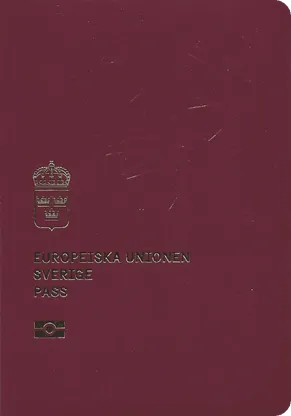
The Sweden passport currently ranks in 1st place according to the Global Passport Index 2026. It provides visa-free access to 122 countries.
This makes it one of the most desirable passports in the world, with very high mobility, investment, and quality of life scores.
Sweden passport holders have visa-free and visa-on-arrival access to countries such as United States, Germany, France, China, Japan, Andorra, Austria, and Belgium, allowing almost instant travel worldwide. Sweden passport holders do however require a visa to enter about 13 destinations such as Central African Republic, Republic of the Congo, Algeria, Eritrea, Ghana, Guinea-Bissau, and Mali.
Sweden's Index Score Over Time


Enhanced Mobility Index
The Enhanced Mobility Index carries the most weight (50%) and is based on the travel benefits that each passport gives the holder, while also taking into account the level of “attractiveness” of the destination country based on its quality of life.
The number of points attributed to the country is the sum of the weight of Visa Requirements required to enter a country or territory multiplied by the weight of the country’s “attractiveness” (this is based on four tiers to assess the quality of life - 1, ¾, ½ or ⅓ depending on the country).
111.3
 Australia
 Canada
 Cuba
Cuba
 Israel
 Kenya
Kenya
 New Zealand
 Saint Kitts and Nevis
 South Korea
 United Kingdom
 Afghanistan
 Azerbaijan
 Bahrain
 Benin
Benin
 Bhutan
 Burkina Faso
 Cambodia
 Cameroon
 Democratic Republic of the Congo
 Djibouti
 Egypt
Egypt
 Equatorial Guinea
 Ethiopia
 Gabon
Gabon
 Guinea
 India
India
 Iran
Iran
 Iraq
Iraq
 Ivory Coast
 Jordan
 Kuwait
 Laos
Laos
 Liberia
 Libya
Libya
 Madagascar
 Mauritania
 Myanmar
 Namibia
 Nepal
Nepal
 Nigeria
 Oman
Oman
 Pakistan
 Papua New Guinea
 Russia
 Rwanda
 Saudi Arabia
 Sierra Leone
 Somalia
 South Sudan
 Sri Lanka
 Syria
Syria
 Tanzania
 Togo
Togo
 Uganda
 Zimbabwe
 Andorra
 Austria
 Belgium
 Bulgaria
 Croatia
 Cyprus
 Czechia
 Denmark
 Estonia
 Finland
 France
 Germany
 Greece
 Hong Kong
 Hungary
 Iceland
 Ireland
 Italy
Italy
 Latvia
 Liechtenstein
 Lithuania
 Luxembourg
 Macau
Macau
 Malta
Malta
 Monaco
 Netherlands
 Norway
 Palestine
 Poland
 Portugal
 Romania
 San Marino
 Slovakia
 Slovenia
 Spain
Spain
 Switzerland
 Taiwan
 Albania
 Angola
 Antigua and Barbuda
 Argentina
 Armenia
 Bahamas
 Barbados
 Belarus
 Belize
 Bolivia
 Bosnia and Herzegovina
 Botswana
 Brazil
 Brunei
 Cape Verde
 Chile
Chile
 China
China
 Colombia
 Costa Rica
 Dominica
 Dominican Republic
 East Timor
 Ecuador
 El Salvador
 Eswatini
 Federated States of Micronesia
 Fiji
Fiji
 Gambia
 Georgia
 Grenada
 Guatemala
 Guyana
 Haiti
Haiti
 Honduras
 Jamaica
 Japan
Japan
 Kazakhstan
 Kiribati
 Kyrgyzstan
 Lesotho
 Malawi
 Malaysia
 Marshall Islands
 Mauritius
 Mexico
 Moldova
 Mongolia
 Montenegro
 Morocco
 Mozambique
 Nicaragua
 North Macedonia
 Palau
Palau
 Panama
 Paraguay
 Peru
Peru
 Philippines
 Qatar
Qatar
 Saint Lucia
 Saint Vincent and the Grenadines
 Samoa
Samoa
 Sao Tome and Principe
 Senegal
 Serbia
 Seychelles
 Singapore
 Solomon Islands
 South Africa
 Suriname
 Tajikistan
 Thailand
 Tonga
Tonga
 Trinidad and Tobago
 Tunisia
 Turkey
 Tuvalu
 Ukraine
 United Arab Emirates
 United States
 Uruguay
 Uzbekistan
 Vanuatu
 Venezuela
 Vietnam
 Zambia
 Bangladesh
 Burundi
 Comoros
 Indonesia
 Lebanon
 Maldives
 Algeria
 Central African Republic
 Chad
Chad
 Eritrea
 Ghana
Ghana
 Guinea-Bissau
 Mali
Mali
 Nauru
Nauru
 Niger
Niger
 Republic of the Congo
 Sudan
Sudan
 Turkmenistan
 Yemen
Afghanistan
Albania
Algeria
Andorra
Angola
Antigua and Barbuda
Argentina
Armenia
Australia
Austria
Azerbaijan
Bahamas
Bahrain
Bangladesh
Barbados
Belarus
Belgium
Belize
Benin
Bhutan
Bolivia
Bosnia and Herzegovina
Botswana
Brazil
Brunei
Bulgaria
Burkina Faso
Burundi
Cambodia
Cameroon
Canada
Cape Verde
Central African Republic
Chad
Chile
China
Colombia
Comoros
Costa Rica
Croatia
Cuba
Cyprus
Czechia
Democratic Republic of the Congo
Denmark
Djibouti
Dominica
Dominican Republic
East Timor
Ecuador
Egypt
El Salvador
Equatorial Guinea
Eritrea
Estonia
Eswatini
Ethiopia
Federated States of Micronesia
Fiji
Finland
France
Gabon
Gambia
Georgia
Germany
Ghana
Greece
Grenada
Guatemala
Guinea
Guinea-Bissau
Guyana
Haiti
Honduras
Hong Kong
Hungary
Iceland
India
Indonesia
Iran
Iraq
Ireland
Israel
Italy
Ivory Coast
Jamaica
Japan
Jordan
Kazakhstan
Kenya
Kiribati
Kuwait
Kyrgyzstan
Laos
Latvia
Lebanon
Lesotho
Liberia
Libya
Liechtenstein
Lithuania
Luxembourg
Macau
Madagascar
Malawi
Malaysia
Maldives
Mali
Malta
Marshall Islands
Mauritania
Mauritius
Mexico
Moldova
Monaco
Mongolia
Montenegro
Morocco
Mozambique
Myanmar
Namibia
Nauru
Nepal
Netherlands
New Zealand
Nicaragua
Niger
Nigeria
North Macedonia
Norway
Oman
Pakistan
Palau
Palestine
Panama
Papua New Guinea
Paraguay
Peru
Philippines
Poland
Portugal
Qatar
Republic of the Congo
Romania
Russia
Rwanda
Saint Kitts and Nevis
Saint Lucia
Saint Vincent and the Grenadines
Samoa
San Marino
Sao Tome and Principe
Saudi Arabia
Senegal
Serbia
Seychelles
Sierra Leone
Singapore
Slovakia
Slovenia
Solomon Islands
Somalia
South Africa
South Korea
South Sudan
Spain
Sri Lanka
Sudan
Suriname
Switzerland
Syria
Taiwan
Tajikistan
Tanzania
Thailand
Togo
Tonga
Trinidad and Tobago
Tunisia
Turkey
Turkmenistan
Tuvalu
Uganda
Ukraine
United Arab Emirates
United Kingdom
United States
Uruguay
Uzbekistan
Vanuatu
Venezuela
Vietnam
Yemen
Zambia
Zimbabwe
Yemen
Afghanistan
Albania
Algeria
Andorra
Angola
Antigua and Barbuda
Argentina
Armenia
Australia
Austria
Azerbaijan
Bahamas
Bahrain
Bangladesh
Barbados
Belarus
Belgium
Belize
Benin
Bhutan
Bolivia
Bosnia and Herzegovina
Botswana
Brazil
Brunei
Bulgaria
Burkina Faso
Burundi
Cambodia
Cameroon
Canada
Cape Verde
Central African Republic
Chad
Chile
China
Colombia
Comoros
Costa Rica
Croatia
Cuba
Cyprus
Czechia
Democratic Republic of the Congo
Denmark
Djibouti
Dominica
Dominican Republic
East Timor
Ecuador
Egypt
El Salvador
Equatorial Guinea
Eritrea
Estonia
Eswatini
Ethiopia
Federated States of Micronesia
Fiji
Finland
France
Gabon
Gambia
Georgia
Germany
Ghana
Greece
Grenada
Guatemala
Guinea
Guinea-Bissau
Guyana
Haiti
Honduras
Hong Kong
Hungary
Iceland
India
Indonesia
Iran
Iraq
Ireland
Israel
Italy
Ivory Coast
Jamaica
Japan
Jordan
Kazakhstan
Kenya
Kiribati
Kuwait
Kyrgyzstan
Laos
Latvia
Lebanon
Lesotho
Liberia
Libya
Liechtenstein
Lithuania
Luxembourg
Macau
Madagascar
Malawi
Malaysia
Maldives
Mali
Malta
Marshall Islands
Mauritania
Mauritius
Mexico
Moldova
Monaco
Mongolia
Montenegro
Morocco
Mozambique
Myanmar
Namibia
Nauru
Nepal
Netherlands
New Zealand
Nicaragua
Niger
Nigeria
North Macedonia
Norway
Oman
Pakistan
Palau
Palestine
Panama
Papua New Guinea
Paraguay
Peru
Philippines
Poland
Portugal
Qatar
Republic of the Congo
Romania
Russia
Rwanda
Saint Kitts and Nevis
Saint Lucia
Saint Vincent and the Grenadines
Samoa
San Marino
Sao Tome and Principe
Saudi Arabia
Senegal
Serbia
Seychelles
Sierra Leone
Singapore
Slovakia
Slovenia
Solomon Islands
Somalia
South Africa
South Korea
South Sudan
Spain
Sri Lanka
Sudan
Suriname
Switzerland
Syria
Taiwan
Tajikistan
Tanzania
Thailand
Togo
Tonga
Trinidad and Tobago
Tunisia
Turkey
Turkmenistan
Tuvalu
Uganda
Ukraine
United Arab Emirates
United Kingdom
United States
Uruguay
Uzbekistan
Vanuatu
Venezuela
Vietnam
Yemen
Zambia
Zimbabwe
No countries found matching your search.

Check If You Need a Visa For Your Next Destination


Investment Index
The Investment Index is used to provide a general assessment of the economy as an option for investment and other business decisions. Prosperous nations with a dynamic economy are favored, while the level of personal taxation is also taken into account. It is worth 25% of the overall calculation.
The sum is calculated using three indicators - Global Competitiveness, also known as Market Innovation (weighted at 50%), GNI per Capita (weighted at 25%), and Personal / Individual Tax rates (weighted at 25%). Global Competitiveness is weighted higher as it comprises a number of relevant factors.
72.4

Quality of Life Index
The third index covers six main components relating to the quality of life in the country. Other areas were considered, such as healthcare, education, and personal safety. However, it was felt that these were already covered in the selected indicators (such as in the Sustainable Development Goals) or that there were limited reliable sources for the information. The Quality of Living Index is worth 25% of the overall calculation.
The indicators were weighted as follows: Sustainable Development: 30% Cost of Living: 20% Freedom in the World: 20% Happiness Score: 10% Environmental Performance:10% Migrant Acceptance: 10%.
The rationale for these weights is that Sustainable Development combines several aspects relevant to the quality of living. The Cost of Living and level of freedom are considered important aspects of the Global Index Methodology. The final three indicators are given less weight as they are not central to the index, but are still relevant as they carry information not found elsewhere.
89.2
To measure sustainable development, the SDG Index was used which combines 84 variables to track progress towards the 17 Sustainable Development Goals (Source: Sustainable Development Report, 2020)
To measure environmental performance, the Environmental Performance Index (EPI) was used. This combines 32 variables that measure 11 issue categories relating to the environment, such as ecosystem vitality and environmental health (Source: Yale University, 2020)
To measure the level of freedom in the country, the Freedom in the World (FIW) Index was used. This covers 25 variables under two broad areas - political rights and civil liberties freedoms (Source: Freedom House, 2021).
To measure the level of happiness in the country, the Happiness Score was used which covers subjective well-being based on Gallup surveys of World Happiness (Source: World Happiness Report, 2021).
To measure the cost of living, the Cost of Living Index covers consumer goods, including groceries, restaurants, transportation, utility costs etc., and is calculated with New York City as a reference (Source: Numbeo, 2021).
To measure migrant acceptance, the Migrant Acceptance Index was used, which covers the perception of immigrants in each country (Source: Gallup World Poll).
Improve Your Passport Power
Whether you’re exploring second citizenship or residency, starting a relocation plan, interested in partnership, or simply have a question, we’d be glad to hear from you.
Improve Your Passport Power
Contact Us
Check Out Other Passports
Not every program fits every profile. Here, you can browse other passports that may align more closely with your specific needs—be it visa-free travel, wealth protection, family relocation, or building a strategic global presence.
The enhanced mobility index carries the most weight (50%) and takes into account the travel benefits for the holder, alongside the desirability of the country, based on its quality of life.
The investment index is worth 25% of the overall calculation. This index is a general assessment of the economy as an option for investment and other business decisions. Prosperous nations that have dynamic economies are favored and personal taxation is also taken into account."
The Quality of living index is worth 25% of the overall calculation. This index covers six main components relating to the quality of life - sustainable development, cost of living, level of happiness, personal freedoms, environmental performance, and migrants’ acceptance."


The Enhanced Mobility score goes beyond simply counting the number of countries or territories that you have access to (from visa-free to restricted access) and also measures the desirability of each destination based on the quality of life. The Enhanced Mobility Score is worth 50% of the Global Passport Index.

The enhanced mobility index carries the most weight (50%) and takes into account the travel benefits for the holder, alongside the desirability of the country, based on its quality of life.




The enhanced mobility index carries the most weight (50%) and takes into account the travel benefits for the holder, alongside the desirability of the country, based on its quality of life.