


The best places to live in Italy depend on your budget, household needs, and overall lifestyle. Italy has something for everyone, from lively cities to peaceful villages and stunning coastlines.
This article focuses on ten locations in Italy, including Rome, Milan, Bologna, Florence, Turin, Parma, Naples, Bari, Cagliari, and the Lake Como area, to help you build a shortlist for a long-term move.
We will also highlight how our Italy immigration experts at Global Citizen Solutions (GCS) can help with your relocation goals.
Best Places to Live In Italy – Key Takeaways

To choose the best place to live in Italy, you should assess your daily needs first and then start comparing different locations based on those needs. You should also set a budget, decide whether you need local employment or not, and determine the services you need in a location.
Work, family, retirement, and remote-work priorities
Your reason for relocating and family situation will guide you to pick the best location. Consider the following:
- For local employment: Check for existing vacancies in your sector, note the language requirements, and the commute to work from the neighborhoods you are considering.
- For families: Check the international schools in the areas you’re considering moving to, the admission process, and the teaching language. Also check for childcare provisions, healthcare, and the commute between home, school, and work.
- For retirees: Prioritize access to relevant healthcare, shops, public transport, and housing that meets your mobility needs.
- For remote workers: Check for locations with great internet connection and availability. Also assess workspace, transport connections, and whether the property is available for a long-term tenancy.
For all categories, check that the price of accommodation in the location meets your budget and fits into your overall cost of living, especially if relocating with family. You should also consider access to transport services, the language, and the community of the areas you are considering. This will help you narrow your options and choose the best fit for your situation.
Note that some of the locations here may not have international schools available, so it is important for families to note that.
When assessing each neighborhood, be sure to note the trade-offs and determine whether you can work around them or not.
1. Rome
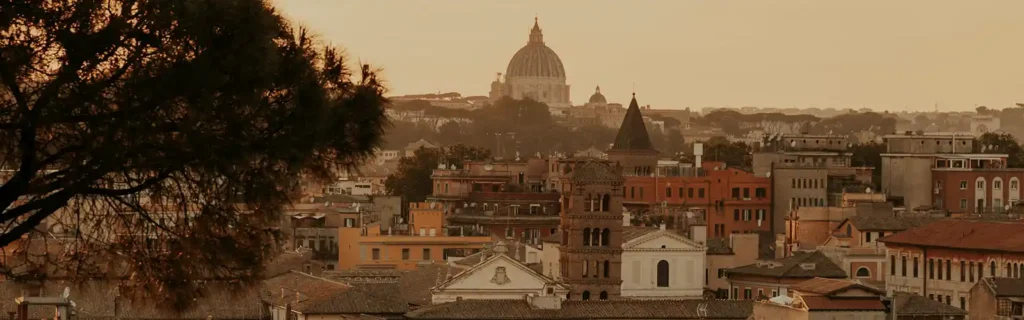
Rome is one of the major European cities known for its rich history, lively culture, and strong job market. It attracts professionals and digital nomads because of the many international companies and organizations there. English speakers will find a friendly expat community, though learning Italian can make everyday life easier and more enjoyable.
The city is famous for the Colosseum, Vatican City, and the Pantheon. It also offers a lively arts and music scene, many museums, and a food culture known around the world. Visitors and residents enjoy the city’s piazzas, green spaces like Villa Borghese, and local markets.
Rome has metro, bus, and tram services. The Leonardo express connects Roma Termini with Fiumicino Airport, while Termini also serves intercity rail routes. For healthcare, Policlinico Umberto I is one of the city’s hospital facilities and provides emergency services.
For education, St George’s British International School has junior-school sites at La Storta and near the Vatican. Pupils at the City Center site transfer to La Storta for senior school, making campus location an important decision for families looking for housing.
One main tradeoff is that living in the historic center will be more expensive and busier than other areas, mainly due to it being a major tourist attraction.
2. Milan
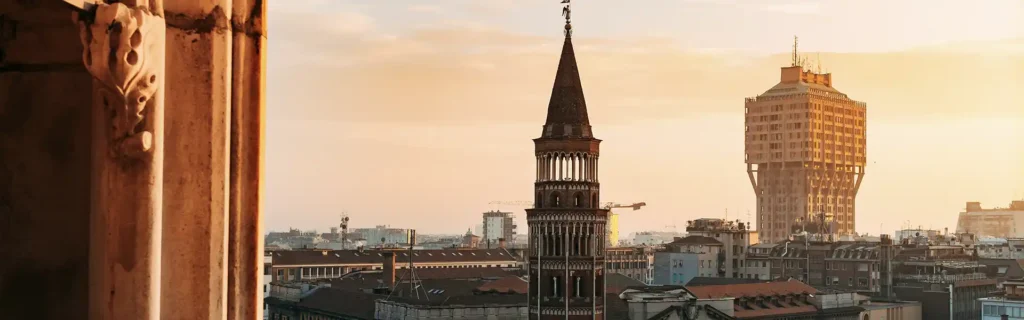
Milan is Italy’s financial and fashion capital, with numerous career opportunities in finance, design, and technology. It has a cosmopolitan feel and a large international community, which makes it appealing for professionals and expats.
It is famous for its fashion industry, historic sites like the Duomo di Milano, and world-class museums such as the Pinacoteca di Brera. The city also features vibrant nightlife, amazing restaurants, and major international events like Fashion Week and the Milan Design Fair.
Transportation is easy in Milan, via ATM, which operates buses, trams, and metro services. The M4 metro connects Linate Airport with the city, including the Sforza-Policlinico stop.
Residents can access healthcare services via the Policlinico di Milano, which provides hospital services, including an emergency department. Milan also has international schools for expats, such as the International School of Milan, which offers the IB Primary Years, Middle Years, and Diploma programs. It has a campus is in Baranzate, outside the Milan municipality. The main tradeoff is that renting in the central area is more expensive than in other areas, such as Bisceglie, Baggio, and Olmi.
3. Bologna
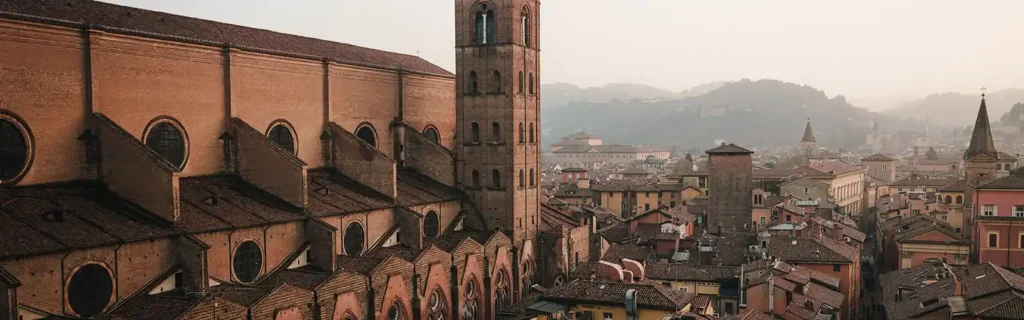
Bologna is known for its great quality of life, top universities, and strong sense of community. It is a well-known student city, home to the University of Bologna, the oldest university in the world, with a large student population and a creative, active environment.
It is also a great place for family life. It has numerous parks, quiet neighborhoods, and good schools.
The city has a rich food culture and is famous for dishes like tagliatelle al ragù. You will also find beautiful medieval buildings, long covered walkways called porticoes, and lots of cultural events and festivals throughout the year.
TPER provides local transport services in Bologna, and the city’s high-speed railway connections include Milan, Florence, Rome, and Naples. The Policlinico Sant’Orsola provides hospital services and has a general emergency department.
The International School of Bologna offers IB education, with classes taught in English, and expats can find work opportunities in industries such as mechanical engineering, packaging, and mechatronics. If you want to live in the city center, you may have to pay more than if living in some residential areas outside it.
4. Florence
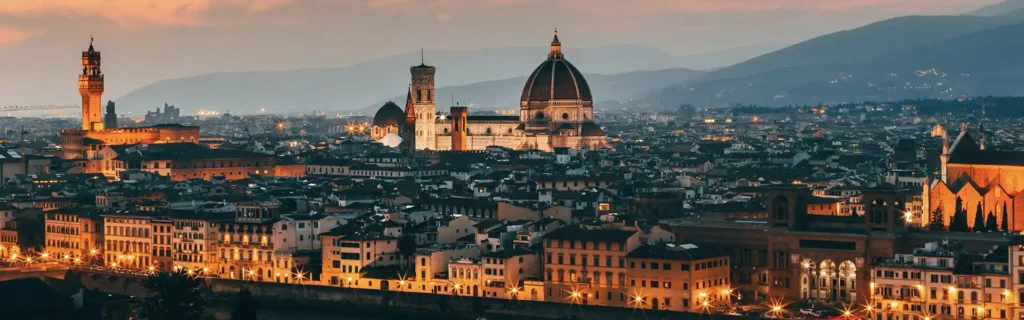
Florence, the birthplace of the Renaissance, is great for retirees and artists because it offers a calm lifestyle with lots of cultural activities, such as renaissance art, historic architecture, and local artisan traditions. The city has many parks and green spaces to relax in. At the same time, it is full of art, history, and beautiful buildings that inspire creativity.
Florence has famous museums like the Uffizi Gallery and landmarks such as the Florence Cathedral. Its active arts scene, amazing Renaissance architecture, and many historic places, such as the Historic Centre of Florence – UNESCO World Heritage Centre, known as the cradle of the Italian Renaissance, make it a perfect spot for artists and retirees who want culture and comfort.
For transportation, Florence’s tram network includes the T1 route linking Villa Costanza, the Santa Maria Novella station area, and Careggi hospital, which provides care and emergency services to residents.
The International School of Florence provides English-language education for expat residents, and its junior school is in Bagno a Ripoli, outside the Florence municipality, while its upper school occupies a separate campus.
Fashion and tourism are major sectors in Florence and the surrounding area, so expats in these industries may find opportunities in the city. Like many other cities, housing in the city center is expensive compared to other areas.
5. Turin
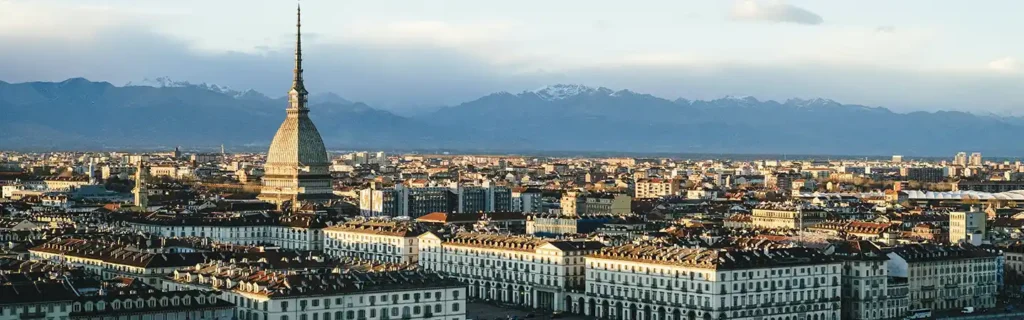
Turin is well known for its rich culture, good public services, and strong technology and innovation industries. The city offers a high quality of life, but costs less to live in than other big Italian cities. For example, the cost of living in Rome is 12.8% higher than in Turin, including rent.
The city has many museums, art galleries, and theaters. Turin is famous for its food, especially chocolate and coffee. It is close to the Alps, which means easy access to outdoor activities like skiing and hiking.
The metro in Turin links Collegno with Bengasi through central Turin, including Porta Susa and Porta Nuova railway stations. Residents in Turin access healthcare through the hospital facilities, including Molinette, which provides emergency services for adults.
Expats and their families can explore the International School of Turin, which teaches its IB programs in English. The school has its campus is in Chieri, outside Turin municipality, so you may have to plan your accommodation outside the city center.
Many of the location’s core employment opportunities in Turin are in automotive, aerospace, and other associated businesses.
6. Parma
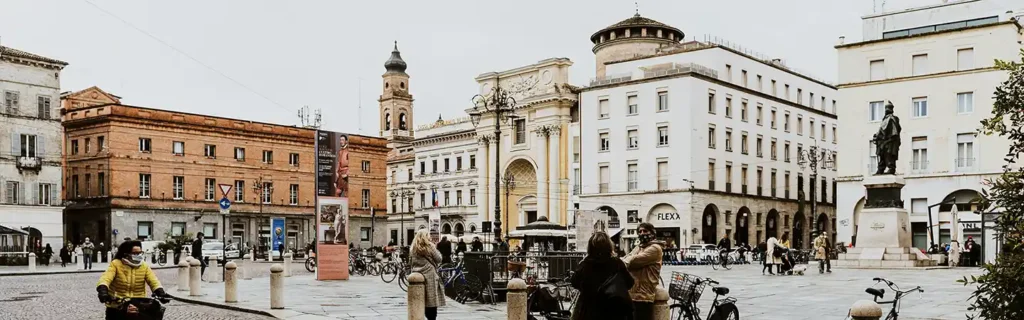
Parma is known for its strong culture, great food, and good quality of life. It has a relaxed feel and a close community, making it a good choice for families and retirees. Parma is near the Italian countryside, offering an authentic Italian experience with beautiful views and a peaceful lifestyle.
Parma is famous for its food, especially Parmigiano Reggiano cheese and Prosciutto di Parma. It also has a lively arts scene, with theaters, museums, and music festivals. The city has good transport links to other major cities in northern Italy, which makes getting around easy.
Società Tranvie Elettriche Parmensi (TEP) provides local bus services in Parma, including direct connections from the railway station to Ospedale Maggiore. Residents access healthcare services through Ospedale Maggiore for emergency medicine and other hospital services.
Parma’s accredited European School offers European School education through to the European Baccalaureate, with Italian, English, and French language sections. The economy has work opportunities in agriculture, food-processing, packaging machinery, and pharmaceuticals.
7. Naples
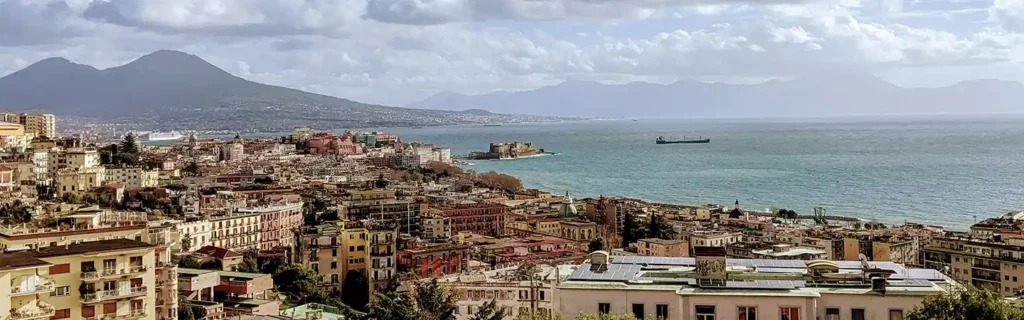
Naples has a long history, lively streets, and a strong community feeling. It sits by the coast, offering beautiful sea views and easy access to beaches. Naples is also famous for its food, most notably as beingthe birthplace of pizza.
The transport network includes metro and funicular services. Alibus connects Naples Airport with the central railway station and port. The city also has the Cardarelli Hospital, which provides emergency medicine and services for residents.
For education, the International School of Naples is a great option for expats, as English is its main teaching language. It is located at Parco San Laise, the former NATO base in Bagnoli. The main tradeoff of living in Naples is that housing costs vary considerablybetween neighborhoods. The popular coastal districts are more expensive than other parts of the city.
Naples has a lot of cultural sites, including the Royal Palace of Naples, and the Capodimonte Museum (Museo di Capodimonte). The city is full of life with busy markets, fun nightlife, and amazing food.
8. Bari
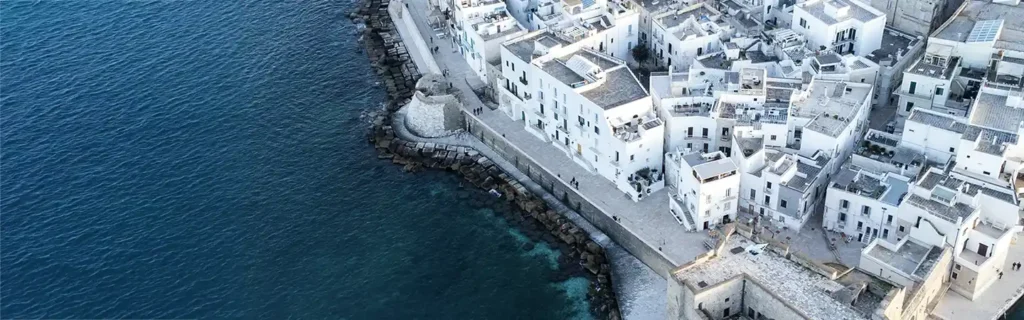
Bari is a busy port city with a charming old town full of historical charm and a growing expat community. It sits on the Adriatic Sea, offering beautiful coastal views and access to beaches. The city has a relaxed and peaceful atmosphere, mixing modern life with traditional Italian culture found in small towns nearby.
Transportation is easy in Bari, and Azienda Mobilità e Trasporti Autofiloviari di Bari (AMTAB) provides local bus services, while Ferrotramviaria connects the airport to Bari Centrale, where passengers can continue their journey through other rail services.
Residents access healthcare via the Policlinico di Bari–Giovanni XXIII hospital organization, which provides hospital services, including pediatric services.
For education, Liceo Scientifico Arcangelo Scacchi offers an Italian secondary-school pathway with a Cambridge IGCSE curriculum and Italian as the language of instruction. However, this is different from a fully English-medium international school. Expats moving to Bari may find opportunities in ICT, as Bari’s investment-promotion platform identifies ICT and high-technology professions as priorities in its talent and investment strategy.
Bari’s Old Town, called Bari Vecchia, is full of narrow streets with traditional bakeries, medieval churches, and lively squares. The waterfront promenade offers great views of the Adriatic Sea. Modern shopping areas and universities attract young professionals and students. Bari is also famous for its lively festivals, seafood dishes, and strong local traditions.
9. Cagliari
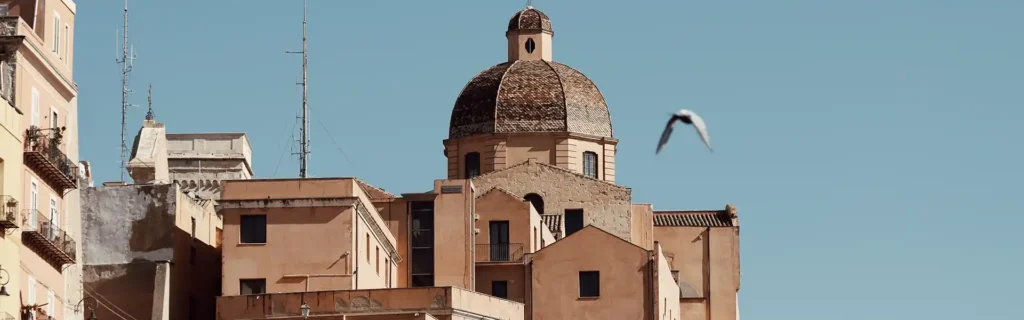
Cagliari, the capital of Sardinia, offers island living with the convenience of the mainland. It is a compact, walkable city where you can enjoy the beach after work and fresh seafood every evening. The city also has a growing community of digital nomads and remote workers.
Residents can easily move around in Cagliari, thanks to Consorzio Trasporti e Mobilità ( CTM), which provides local public transport. There are also regional trains that connect Elmas Airport with central Cagliari. Healthcare services are available at San Michele hospital, part of ARNAS Brotzu, which provides emergency services.
For education, Chatterbox offers a bilingual nursery and primary education and secondary education. However, access may be assessed by your child’s age and educational stage. Its provision should be assessed by the child’s age and educational stage.
There are work opportunities in Sardegna Ricerche’s technology park at Pula, with ICT, bioinformatics, and other research platforms. One tradeoff of living here is that it usually requires some flight or sea travel for mainland journeys, while some beach areas also carry higher rents than the average.
Cagliari has a relaxed island atmosphere with beautiful beaches like Poetto, a charming old town called Castello, and a lively local food scene.
10. Lake Como
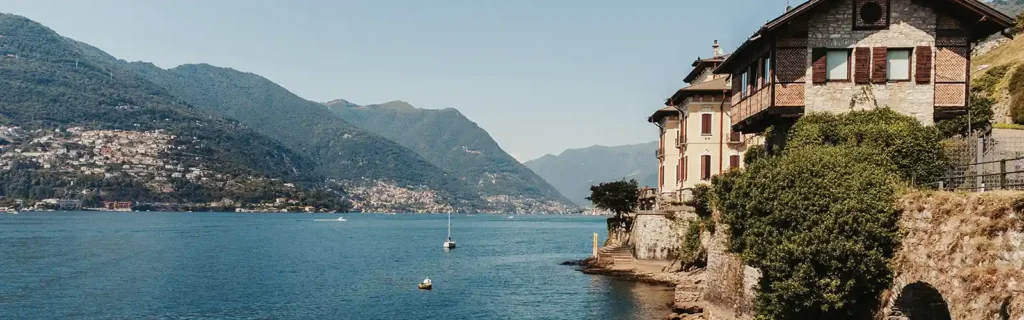
Lake Como is one of Italy’s most famous places, known for its peaceful living, stunning scenery, and elegant style. It is close to Milan, which makes it a great choice for professionals and retirees who want quiet luxury just an hour away from a big city.
The region offers beautiful hiking trails, mountains, historic villas, and small, pretty towns. With Michelin-starred restaurants and quiet lakeside cafes, it is perfect for people who want a good mix of quality and calm. For education, residents can explore the International School of Como in Fino Mornasco, away from the lakeside center. It offers IB education, with English as the main teaching language.
Residents living in the Lake Como area can move around via the Trenord that operates direct services between Como San Giovanni and Milano Centrale.
The Sant’Anna hospital in San Fermo della Battaglia, near Como provides healthcare services to residents in the area. However, it is located towards the Como end of the lake, so access may not always be convenient.
One main tradeoff of living in this area is that the rail station and hospital are located in different municipalities. So even when you choose a lakeside home, you may have to travel to get the services you need.

Knowing the differences between the different regions in Italy can help narrow your search.
Northern Italy
The cities in Northern Italy from the list are Milan, Turin, Bologna, Parma, and the Lake Como area. Milan has financial and consultancy services, Turin has automotive and aerospace industries, while Bologna and Parma have packaging and manufacturing opportunities. Turin, Milan, and Bologna also sit on a major high-speed rail corridor, so transportation may be more accessible than being in Lake Como.
Central Italy
Rome and Florence are the central Italian locations on our list. Rome is extremely popular amongst expats as it hosts international institutions such as the Food and Agriculture Organization (FAO), while Florence’s economy includes fashion and tourism. Both cities have high-speed rail connections to northern and southern destinations.
South Italy
Naples has the Federico II–Apple Developer Academy partnership, while Bari offers ICT and high-technology professions. However, ISTAT’s analysis covering 2025 shows that employment rates remain lower in the Mezzogiorno (southern macroregion of Italy) than in the Centre-North, with some differences within southern Italy itself.
Southern cities also have intercity connections: Naples lies on the main north–south Frecciarossa route, and Bari has Frecciarossa services and a direct airport rail connection. You should still compare exact neighborhoods to ascertain what local commuting would look like.
The Islands
Cagliari is the only island on our list. It has hospitals, schools, local public transport, and provides access to the airport via train. The main thing to consider here is mainland travel, which includes flights or ferries. You should therefore include travel time and costs in your relocation budget. The best and fastest way to get to the mainland from Cagliari is by flying from Cagliari Elmas Airport (CAG).
You should always check that a location makes practical sense for you and your situation before committing. Check the list below and ensure your chosen city ticks all the relevant boxes.
- Healthcare: Confirm your coverage arrangements and how to access routine care, prescriptions, and any specialist treatment you need.
- Schools: Contact the relevant campus about places, teaching language, admissions, and fees.
- Transport: Test your daily journeys using weekday, evening, and weekend timetables. Include connections and the walk to the stop or station.
- Connectivity: Check broadband availability at the exact address and confirm installation arrangements. For remote workers, also test indoor mobile reception as a backup.
Be sure to use only current information from all relevant providers before signing any tenancy agreement.
Living in Italy is possible through several residency pathways, including the Italian Golden Visa, the Elective Residency Visa, and Digital Nomad Visa.
Be sure to check the Italian residence and immigration requirements that apply to your nationality, intended stay, and activity before making relocation plans.
1. Italy Digital Nomad Visa: Italy’s Digital Nomad Visa allows non-EU remote workers and freelancers to live in Italy for up to one year. Applicants must earn at least €28,800 annually, have health insurance, proof of accommodation, and a clean criminal record. It’s ideal for professionals working for companies outside Italy.
2. Italy Elective Residency Visa (ERV): The Italy Elective Residency Visa is perfect for retirees and financially independent individuals. This visa lets you live in Italy without working. You’ll need regular passive income, long-term housing, and private health insurance. Employment is not permitted under this visa.
3. Italy Golden Visa (Investor Visa): The Italy Golden Visa suits high-net-worth individuals investing in Italy. Eligible investments include €250,000+ in startups, €500,000+ in Italian companies, or €2M in government bonds. It offers a renewable residency and a path to citizenship after ten years.
- Trusted by 15,000+ clients worldwide
- Over a decade of advisory expertise
- Dedicated relationship manager
- Transparent fees and guidance
- Support beyond approval