

Estonia is the cleanest country in the world in the 2026 Environmental Performance Index (EPI), with a score of 74.79 out of 100. Luxembourg came second with 74.24, and the United Kingdom came third with 71.51.
The EPI is published every two years by researchers at Yale and Columbia universities. It scores 177 countries on how close they are to their environmental targets, covering factors such as air quality and drinking water as well as greenhouse gas emissions and biodiversity. The score is for the country as a whole, and street litter isn’t one of the things it measures.
If you’re planning to move abroad, knowing the cleanest country in the world can inform where you should settle long-term. Bear in mind that the EPI scores whole countries, so it can’t tell you what the air or tap water is like in a particular town or neighborhood.
Cleanest Countries in the World: Key Takeaways


The EPI uses national data, with measures such as waste management, air quality, drinking water, emission trajectories, and the state of natural systems. Each indicator receives a score out of 100. The better the indicator performs, the higher the score.
Indicators also carry different weights. To get the overall score, the indicators are weighted and combined.
While the 2026 edition was published on 9 July 2026, most of the data runs to 2024, which is part of the edition context and limitations to consider. This means that events after 2024 aren’t fully reflected.
If you’re looking for the ideal place to live, this ranking can be helpful, but you’ll also need to look at other considerations such as safety, quality of life, residency eligibility, housing, and taxes.
We used the 2026 edition of the Environmental Performance Index (EPI) to gather these rankings. It evaluates the environmental performance of 177 countries using 47 quantitative indicators across three policy objectives:
Environmental Health
This objective measures how well countries protect human health from environmental harm. It focuses on factors directly affecting people’s quality of life, such as air quality, sanitation, drinking water, heavy metals, and waste management. It makes up 25% of the overall score.
Ecosystem Vitality
This objective evaluates how well countries protect natural ecosystems and manage resources sustainably. The main subcategories focus on biodiversity and habitat, forests, grasslands, fisheries, agriculture, water resources, and air pollution. It makes up 45% of the overall score.
Climate Change
This objective measures how well countries are cutting emissions that can drive climate change. This includes indicators such as emission trends for carbon dioxide, methane, nitrous oxide, fluorinated gases, and black carbon. It makes up 30% of the overall score.
Yale sets out how each indicator is scored and weighted in its technical documentation.
Here are the top 10 cleanest countries in the world according to the 2026 EPI, with each country’s overall score and its score for the three objectives.
Source: Yale Center for Environmental Law & Policy and Columbia University, 2026 Environmental Performance Index, official ranking data. All scores are out of 100.
1. Estonia
2026 EPI Score: 74.79
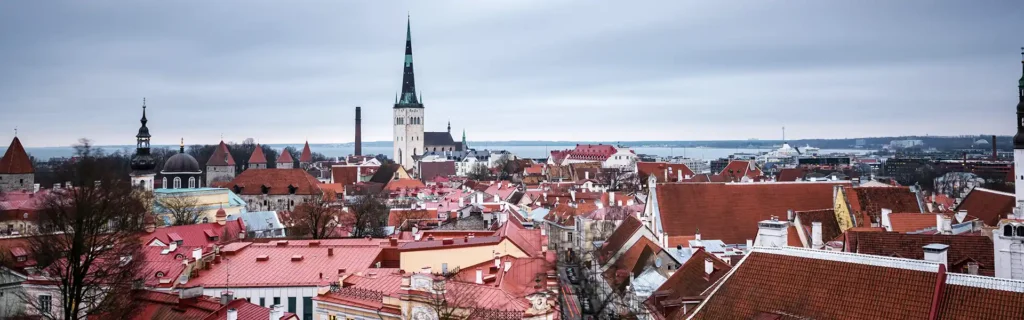
Estonia scored 74.79 overall, putting it first in the 2026 EPI. It also ranked first in the world for Climate Change, with a score of 90.58. Yale’s EPI team links that result to a 47.4% fall in Estonia’s carbon dioxide emissions from fossil fuels between 2015 and 2024, as it closed much of its oil shale generating capacity. As the team points out, a gain of that size can only happen once, so staying at the top will take further cuts.
Oil shale isn’t pumped like conventional oil. It is a rock containing a solid, organic substance, and in Estonia it’s mainly burned to generate electricity and heat, although it can also be converted into oil and gas.
Estonia scored 100 for waste management, with all household and commercial waste collected and treated in a way that controls environmental risks, and it shares that perfect score with 24 other countries. Its Environmental Health score of 75.88 is still the lowest in the top 10, held down by its scores for heavy metals (54.44, 72nd) and sanitation and drinking water (71.28, 47th). It’s 15th for air quality.
2. Luxembourg
2026 EPI Score: 74.24
Luxembourg scored 74.24 overall, putting it second in the 2026 EPI. It’s the only country to rank in the top five for all three policy objectives, coming fifth for Environmental Health, fourth for Ecosystem Vitality, and third for Climate Change.
Luxembourg is one of only four countries with a score of 100 for heavy metals, which the index measures through lead exposure. It scored low on agriculture, with 42.65, putting it 128th out of 177 countries.
3. United Kingdom
2026 EPI Score: 71.51

The United Kingdom scored 71.51 overall, putting it third in the 2026 EPI. Its Ecosystem Vitality score of 64.70 is the highest in the top 10 and third in the world.
The UK also came third in the world for sanitation and drinking water, with a score of 99.10. Environmental Health is its lowest-ranked policy objective, with a score of 84.39, putting it 14th.
4. Finland
2026 EPI Score: 71.04
Finland scored 71.04 overall, putting it fourth in the 2026 EPI. It has the highest Environmental Health score in the world, at 96.66, and it came second for air quality, with a score of 96.92.
Ecosystem Vitality is Finland’s lowest-ranked policy objective, with a score of 59.95, putting it 16th. Its Climate Change score of 66.32 puts it 14th.
5. Netherlands
2026 EPI Score: 70.49

The Netherlands scored 70.49 overall, putting it fifth in the 2026 EPI. Its Climate Change score of 74.13 is the second highest in the world. It also shares the top score for sanitation and drinking water with Finland, at 100.
Ecosystem Vitality is its lowest-ranked policy objective, where a score of 57.32 puts it 20th. Its fisheries score is one of the lowest in the index, at 28.29, which places it 131st of the 133 countries scored. The EPI doesn’t score landlocked countries on fisheries.
6. Germany
2026 EPI Score: 69.93
Germany scored 69.93 overall, putting it sixth in the 2026 EPI. Its Climate Change score of 73.04 puts it fifth in the world. Germany also has the highest scores in the top 10 for biodiversity and habitat, at 67.72, and for agriculture, at 68.12.
Environmental Health is Germany’s lowest-ranked policy objective, with a score of 80.67, putting it 20th. Its air quality score of 74.41 places it 22nd.
7. France
2026 EPI Score: 69.82

France scored 69.82 overall, putting it seventh in the 2026 EPI, just 0.11 points behind Germany. Its Climate Change score of 73.50 puts it fourth in the world, and it came fifth for heavy metals, with a score of 97.59.
Ecosystem Vitality is France’s lowest-ranked policy objective, with a score of 56.86, putting it 21st. Only Sweden has a lower Ecosystem Vitality score in the top 10.
8. Norway
2026 EPI Score: 69.24
Norway scored 69.24 overall, putting it eighth in the 2026 EPI. It shares second place in the world for Environmental Health with Sweden, at 95.89, and it came fourth for air quality, with a score of 95.60.
Climate Change is Norway’s lowest-ranked policy objective. Its score of 62.65 puts it 19th, the lowest Climate Change score in the top 10. It also scored 28.75 for agriculture, placing it 161st out of 177 countries.
9. Sweden
2026 EPI Score: 69.20

Sweden scored 69.20 overall, putting it ninth in the 2026 EPI, just 0.04 points behind Norway. It came third in the world for air quality, with a score of 96.79, and its Climate Change score of 67.46 puts it 11th.
Ecosystem Vitality is Sweden’s lowest-ranked policy objective. Its score of 55.54 puts it 27th, the lowest in the top 10, and its biodiversity and habitat score of 48.29 places it 73rd.
10. Austria
2026 EPI Score: 66.80
Austria scored 66.80 overall, putting it tenth in the 2026 EPI, 0.23 points ahead of Denmark in 11th. Ecosystem Vitality is its highest-ranked policy objective, with its score of 62.10 putting it tenth in the world.
Environmental Health is Austria’s lowest-ranked policy objective, where its score of 79.00 puts it 21st. Its air quality score of 72.78 is the lowest in the top 10, placing it 23rd.
Denmark and Switzerland were both in the top 10 of the previous EPI edition, published in 2024. In the 2026 edition, Denmark is 11th with 66.57, and Switzerland is 15th with 64.06. Yale changes its methods between editions, so scores from different editions can’t be compared directly.
At the other end of the 2026 ranking, India is 176th, and Laos is last, in 177th place. The United States is 27th, with a score of 58.54.

The EPI’s scoring system is mostly based on climate and ecosystems, which make up 75% between them. Environmental Health makes up the other 25%, accounting for aspects such as drinking water, air quality, and waste management. If these are things you’re likely to notice, then the Environmental Health score is going to tell you more about a country than an overall ranking. Estonia is first overall, for example, but 25th for Environmental Health.
Yale’s 2026 EPI report describes wealth as a strong predictor of a country’s score, as richer countries have more money to invest in infrastructure and are better placed to enforce environmental rules. Many of the EPI’s top 10 also appear in the top 20 of our wealth comparisons, although the two rankings measure different things.
The EPI doesn’t consider residency or citizenship in its scoring system. So, while finding the cleanest country in the world may be an important part of deciding where to spend your time, understanding the residency requirements is essential when you’re planning a move.
“Longevity is becoming part of how families think about where they want to live,” says Patricia Casaburi, Founder and CEO of Global Citizen Solutions. “They want a country where the lifestyle naturally supports a long life: good food, good water, and a good medical system. Healthcare is really an important part of that.”
When you’re considering a move, you should always conduct separate checks of housing, healthcare, residency eligibility, and environmental conditions, including:
- Drinking water reports from the local supplier
- Air quality readings from the nearest monitoring stations
- Whether the area is close to industrial sites, airports, railway stations, or main roads
- Whether an older building still has lead pipes
- Flood or wildfire risk for the area
If you’re looking beyond national scores, our Global Intelligence Unit’s research on Blue Zone-style destinations compares diet, physical activity, community ties, and air quality at a regional level.

- Trusted by 15,000+ clients worldwide
- Over a decade of advisory expertise
- Dedicated relationship manager
- Transparent fees and guidance
- Support beyond approval
