
What is it like living in Naoero? Well, to keep it simple, the island is small and remote, with limited amenities. Nauru officially adopted its traditional name, Naoero, in 2026, and its culture is community-driven and slower-paced than in most places.
If you’ve ever considered moving to a South Pacific country, Naoero likely wasn’t the first island to spring to mind. Living in Naoero comes with unique challenges but also peace, tranquility, and a disconnect from fast-paced lifestyles.
Keep reading this Global Citizens Solutions guide to learn more about living in Naoero as a foreign national and the pros and cons of Naoero life, and how you can secure residency there as a foreign national.
Key Facts


The Republic of Naoero is a tiny island nation in the Pacific Ocean that offers a lifestyle incomparable to anywhere else. The Naoero population is estimated at about 12,000, according to the UN Population Division in 2025. The entire island covers 21 square kilometers.
Life on the Naoero island is deeply rooted in community. This isolated lifestyle comes with no traffic lights, few cars, and just one major ring road circling the island. Life moves at a slow pace, and social ties are strong—many Naoero residents know each other by name.
Though Naoero lacks the urban buzz of other South Pacific islands like Fiji and the Solomon Islands, its peacefulness and security are unmatched. dei-Naoero people are prideful and welcome foreign nationals. However, limitations on most goods, entertainment, and international travel options won’t appeal to everyone considering moving to Nauru.
Housing in Naoero is simple and modest. With no real estate industry, there are no upscale beachfront villas or luxury homes. Most Nauru residents live in government-supplied housing. While few would be called affluent, the cost of living in Nauru, as of 2026, can be high due to heavy reliance on imports, especially food and electronics. The island’s phosphate lands and previously dominant phosphate mining industry have meant limited local produce.
Healthcare
The World Bank’s 2026 Human Capital Country Brief gave Nauru a Health pillar score of 36, compared with 45 for the East Asia and Pacific regional average. The Naoero Medical Center is the only hospital on the island, and specialized medical care requires air evacuation to Australia. The quality of health care in Naoero is often reflected in the health of the island’s inhabitants. Naoero has one of the highest high blood pressure levels and male and female diabetes rates in the world.
Education
Three public primary schools and two secondary schools provide primary and secondary education. The University of the South Pacific has a campus in Naoero, but most residents seek an Australian education for their higher education needs.
Utilities
Water and electricity are inconsistent during dry seasons or adverse weather. Nevertheless, the country established its first solar energy plant in 2016, and the Naoero government introduced the Naoero (Nauru) Citizenship by Investment program in 2024 to improve renewable energy infrastructure and national sustainability.
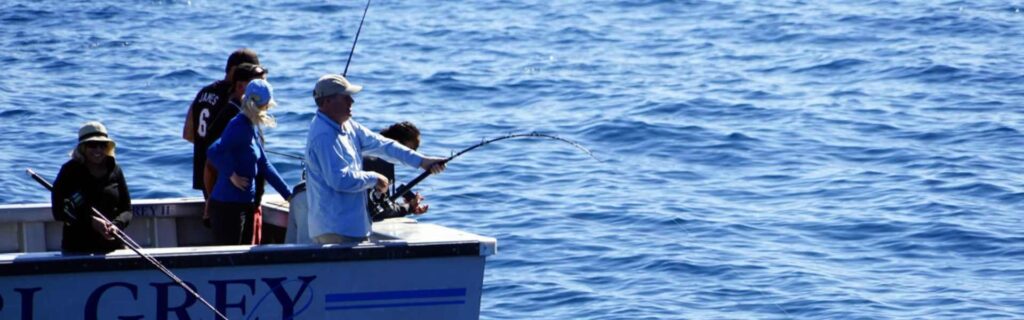
Unless you’re highly specialized in a specific field critical to governmental priorities, Naoero (Nauru) immigration opportunities through employment are few and far between. Jobs are centered around government contracts in education, healthcare, and the processing of asylum seekers, though the influx of asylum seekers and Australian aid to fund processing centers has effectively ceased.
Salaries tend to be lower than global averages and other Pacific islands, but some positions—especially those filled by expats—can offer competitive wages and housing packages.
A small number of businesses operate on the island, including shops, local transport providers, and construction services, and Nauru taxes are generally favorable for starting a business.
Business regulations are relatively straightforward, but the close Australian-Naoero relations and financial aid that contribute significantly to the national GDP have meant foreign investment in Naoero’s economy is minimal and not considered economically advantageous among most foreign nationals.
Naoero’s economic history is a tale of highs and lows. Once considered the wealthiest country in the world per capita, Naoero received significant economic interest from colonial powers after phosphate deposits were unearthed in 1900. Following years of unsustainable phosphate mining, the national economic crisis occurred after Naoero exhausted existing deposits.
In an effort to undo the damage phosphate mining caused and reduce reliance on external economic stimulus and foreign aid, the Naoero citizenship program was introduced, offering a Naoero (Nauru) passport to foreign nationals who contribute to Naoero’s economy.

Getting to Naoero
The best way to get to Naoero from the United States is to fly from Los Angeles to Brisbane, Australia. There, you can take a direct flight with Nauru Airlines to the island. Another option is to fly directly from San Francisco, Los Angeles, or Dallas to Nadi, Fiji, and from there to Naoero.
Visas
Most non-Pacific island nationals need a visa to travel to Naoero. The Nauru visa offers three lengths of validity:
- One month: AUD 50 (about $32)
- Two months: AUD 150 (about $107)
- Three months: AUD 250 (about $178)
Obtaining Naoero citizenship and a passport facilitates travel to the island. Naoero (Nauru) passport visa free countries comprise 117 destinations, and passport holders have unrestricted access to Nauru.
Money
Naoero uses the Australian dollar (AUD) as its official currency and there is just one commercial bank operating on the island, which offers limited services.
Connectivity
Nauru strengthened its digital connectivity by introducing a 4G network developed by Digicel Pacific, providing residents with faster, more reliable internet access.
Pros:
- Tight-knit community: Naoero residents make up a small population that values belonging and safety.
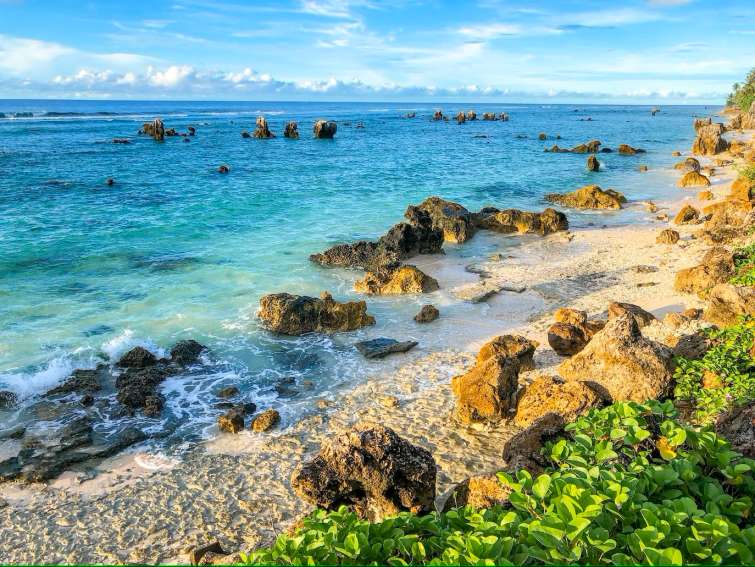
- Tropical climate: Year-round warm weather and ocean views make for beautiful natural surroundings.
- Sustainable living: A key agenda of the Naoero government is sustainability, which includes promoting renewable energy and sustainable fishing practices.
- Simple lifestyle: Life in Naoero is simple and stress-free, making it ideal for those looking to escape the fast-paced urban life.
- Straightforward residency: A Naoero (Nauru) citizenship by investment lawyer can easily facilitate relocating to Naoero.
Cons:
- Limited amenities and entertainment: The island has few restaurants, shops, or recreational options, and things to do in Nauru are generally limited to basic activities like lounging by the sea or chatting with locals.
- Healthcare limitations: Significant medical emergencies or advanced care requires traveling overseas.
- High cost of goods: Naoero produces very little, and everyday items are more expensive than most developed countries.
- Employment restrictions: There are few opportunities and prospects for career growth.
- Limited banking: There is only one bank in Nauru, and the country has no offshore banking options.
- Trusted by 15,000+ clients worldwide
- Over a decade of advisory expertise
- Dedicated relationship manager
- Transparent fees and guidance
- Support beyond approval
